First-time visitor
See one area deeply around Daereungwon and Hwangnidan-gil downtown area to keep your first map simple.
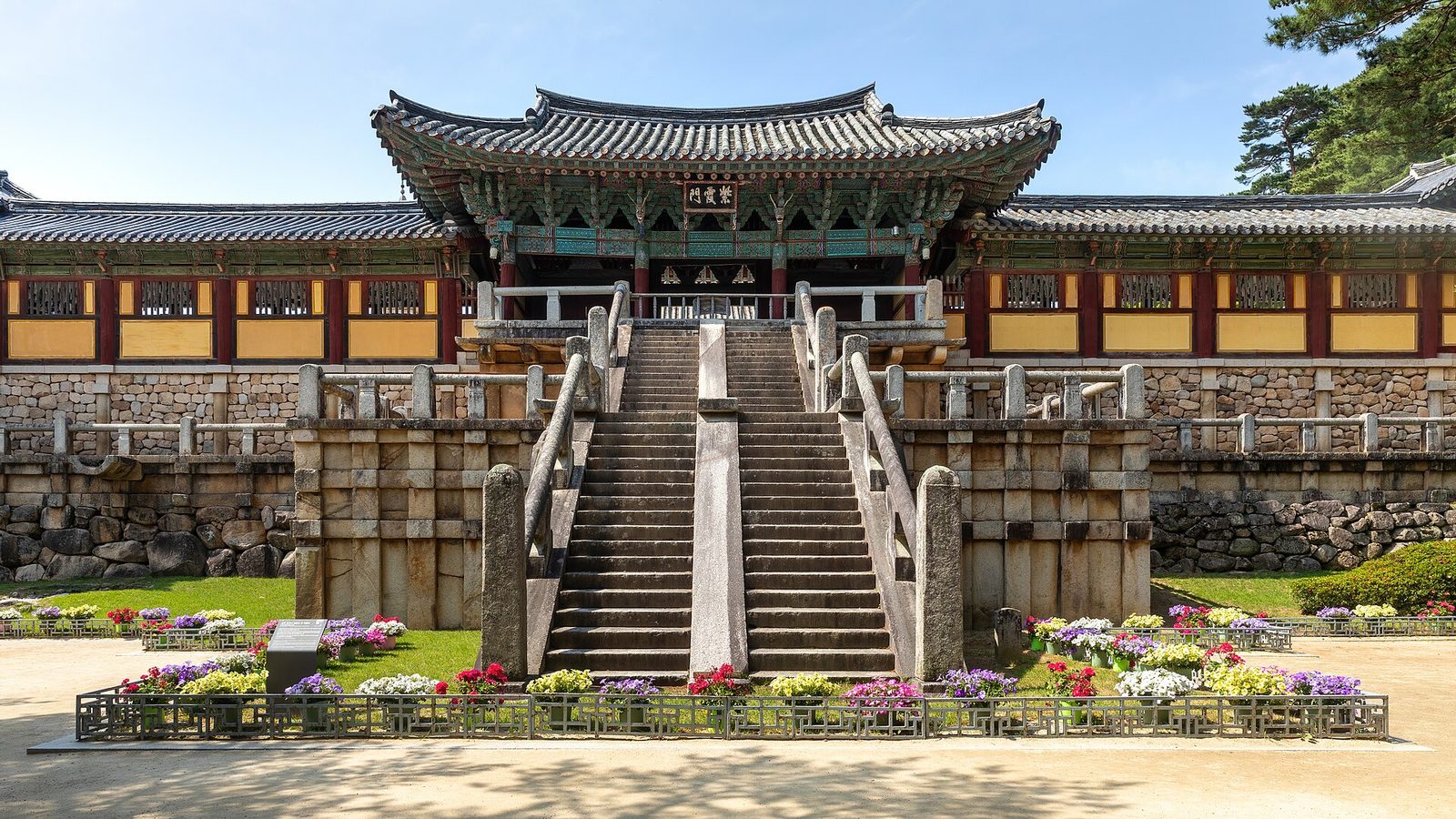
Gyeongsang Region
GyeongjuGyeongju
A historic city where Silla heritage remains throughout
Gyeongju is a city that Silla made its capital for a long period, and tombs, temples, pagodas and stone heritage remain throughout today's living spaces.
Crowds, weather and viewing rules can change on the day; check official guidance and on-site notices before you set out.
See one area deeply around Daereungwon and Hwangnidan-gil downtown area to keep your first map simple.
Choose a different area from last time and start slowly around Bomun Lake area to find a new texture.
Add market and indoor rests between walks for the family, and keep the Daereungwon and Hwangnidan-gil downtown area route short.
Keep climbs and long walks short, and fix meals and rests near lodging around Bomun Lake area first.
Pair an easy solo market meal with a quiet rest; start lightly around Daereungwon and Hwangnidan-gil downtown area.
A historic city where Silla heritage remains throughout
Spring and autumn are gentler for walking Daereungwon and Hwangnidan-gil downtown area, while summer heat, humidity and sudden rain suit plans that attach shade and indoor alternatives to outdoor sections. In winter, wind and cold can feel very different by area, so split outdoor time short and add warm indoor rests. Seasonal scenery shifts each year; for a calmer feel, avoid the busiest periods at Daereungwon, Cheomseongdae and Bulguksa and mix quieter sections such as Gyeongju National Museum and quieter tomb walks. In heavy rain, intense heat or cold, reduce outdoor walking and switch to indoor and market sections.
The core around Daereungwon and Hwangnidan-gil downtown area is best read on foot, while Bulguksa and Seokguram, Yangdong Village and the east coast lie in other directions and should be kept as separate travel rather than chained into one walking day. Group one direction per day, keep transfers simple, and fix the return route to your lodging before adding distant places. Walking load grows on hills, alleys and spread-out remains, so split long sections and set rest points in advance. Routes, services and transport guidance can change, so check official transport guidance before departure.
Culture layers through Silla tombs, Bulguksa and Seokguram, and Yangdong Village, read best slowly by area rather than as a checklist of famous names. Pair outdoor heritage with a museum or market section so weather and crowds do not decide the whole day. At living, faith and residential spaces, keep noise low, respect private property and follow photography and entry guidance on site first. Do not touch heritage fabric, and let on-site notices override any general plan.
Meals stay simple when split by area among Hwangnidan-gil and downtown dining areas, choosing one market or dining area as the anchor of each route. For downtown and market meals, Bomun and Bulguksa area dining, ask about the day's ingredients, cooking style and heat, and at markets check contents and signs with your own eyes before ordering. In busy market areas, choose another place in the same area rather than rushing to one famous shop. State allergies and ingredients you cannot eat clearly before ordering, and keep queue and payment order.
The main cautions are spreading remains across one day, Tohamsan climbs and coastal wind, plus closing days and viewing rules that can change by notice. In rain, shorten outdoor sections and switch to indoor and market sections; in heat, split walking short and add shade rests often; in cold, reduce exposed outdoor time and attach warm indoor stops. Do not force distant areas into one day when weather turns. Recheck official guidance on the day for operations, controls and booking changes. Verified: 2026-10-21
For a longer stay, first choose the daily rhythm you want around downtown near Daereungwon or Bomun Lake, rather than choosing only by famous scenery. Check whether markets, clinics, laundry, dining and a walkable route are close to the lodging, because those details shape everyday comfort more than one viewpoint. A base that keeps one area walkable makes rest days and rainy days easier. Check contract terms, noise, house rules and seasonal living conditions directly in the contract and official guidance before signing.
Gyeongju is a city that Silla made its capital for a long period, and tombs, temples, pagodas and stone heritage remain throughout today's living spaces. The large tombs of Daereungwon spread like a downtown park, and Cheomseongdae Observatory and Donggung Palace and Wolji Pond gather in a nearby area, so walking the city itself becomes an experience of layering Silla time.
Bulguksa Temple and Seokguram Grotto are representative heritage of Silla Buddhist culture known as UNESCO World Heritage. The downtown tombs and palace sites, the temple area on the slopes of Tohamsan Mountain, and traditional villages such as Yangdong Village each have different characters, so seeing them divided by day is good. Gyeongju is a city where the gaps between heritage sites themselves become the itinerary, so the less greedy you are, the deeper the impression of each place.
In Gyeongju, the empty space between heritage sites is also part of the scenery. The grass of tomb parks, paths walked between them, and the breadth of sky made by low building heights create Gyeongju's impression. Rather than consuming heritage sites like checking them off one by one, putting time to sit beside a tomb and look at the terrain into the plan lets you feel in your body why the Silla capital was here. The difference in air between downtown and the Tohamsan area is also Gyeongju's two faces.
Gyeongju travel starts with dividing the downtown heritage area and the Bulguksa Temple area. Cultural heritage visiting rules, night programmes and museum closing days differ by facility and can change, so they must be checked in official links. Changing information such as fares and operating hours is not fixed in this guide. Verified: October 21, 2026.
Gyeongju National Museum is a good base for organising the flow of Silla culture before or after seeing downtown heritage. The exhibition scale is large, so allow generous time, and connecting background knowledge gained at the museum to tomb and temple viewing makes the same heritage look different. During popular periods, lodging and transport can be crowded, so check booking conditions in advance.
Daereungwon is a space where Silla tombs gather, including Cheonmachong Tomb, and is good for feeling the scale of tomb culture. Cheomseongdae Observatory is known as an old stone structure related to astronomical observation remaining in East Asia, and Donggung Palace and Wolji Pond are mentioned as a Silla palace detached-palace site and pond scenery and as a night walking place. Check whether night viewing is operated in official guidance.
Bulguksa Temple is repeatedly named as representing Silla Buddhist architecture through stone cultural heritage including Dabotap and Seokgatap pagodas, and Seokguram Grotto is known as a stone grotto temple enshrining a principal Buddha image. The Gyeongju Historic Areas include zones listed as UNESCO World Heritage, so set your centre according to whether your interest is tombs or temples. Yangdong Village is a village where traditional houses remain and must be visited while respecting residents' lives.
When choosing places, decide two kinds to see deeply on this trip among tombs, palace sites, temples and museums. For a first visit, the order of seeing tomb scale at Daereungwon and then imagining their interiors through excavated objects at the museum helps understanding. Bulguksa Temple is a place to slowly see architectural details and stone pagodas, so it needs separate time allocation rather than being brushed past briefly. Night scenery may be possible only on set days, so check official notices.
The downtown heritage area is good to tour on foot and by bicycle, but bicycle rental conditions and operating sections must be checked with the operator and official guidance. Bulguksa Temple, Seokguram Grotto and Yangdong Village are away from downtown, so bus and vehicle movement must be planned separately. Train station and terminal connections, city bus routes and fares can change, so official guidance checks are needed.
Heritage sites have sections with little shade, so in hot seasons carry water and rest and use earlier and later parts of the day. In cultural heritage protection zones, keep designated viewing paths and follow on-site rules such as drone and photography restrictions. If you walk at night, move centred on lit sections and check the return route to lodging in advance for safety.
Hwangnidan-gil is a street where restaurants, cafes and shops have entered hanok and old buildings, close to Daereungwon and good to stop by before or after heritage walking. At traditional markets such as Seongdong Market, you can see local ingredients and market food. Each shop differs in trading days and hours, so if a specific shop is your purpose, check whether it is open before visiting.
In Gyeongju, activities such as Silla history commentary programmes, craft experiences and hanbok experiences are mentioned. Commentary and experiences differ in operator, booking method and included content, so check official guidance before applying. Hearing historical commentary once changes the eye for tombs and pagodas, so it especially helps first-time visitors. If travelling with children, first look at the target age and booking conditions of museum experience programmes.
Gyeongju meals are best planned with the rest rhythm between heritage viewing. On days of long walking, place cafes and restaurants around Daereungwon, and on days going to the Bulguksa area, solve meals in that vicinity to keep the route simple. Experiences with historical commentary especially help children and first-time visitors, but operating schedules and meeting places must be checked before booking. For souvenirs, choose heritage-related books and crafts that revive the memory even after the trip.
This itinerary is an example; hours and travel times are not asserted.
Note
The itineraries below are examples and do not fix operating hours or travel times. The first day is a downtown heritage arrangement grouping Daereungwon, Cheomseongdae, Donggung Palace and Wolji Pond, and Hwangnidan-gil. The second day can be set as a museum and deep downtown arrangement linking Gyeongju National Museum, Bunhwangsa Temple and the Gyochon Village area.
Note
The third day can place the Tohamsan area as a day itinerary centred on Bulguksa Temple and Seokguram Grotto, and if you have room, keeping one direction among Yangdong Village or the Gyeongju sea area as a separate day is good. Heritage viewing deepens in understanding the more commentary and museums are mixed in. Check facility closures, night programmes and booking status through official links before fixing the plan.
Gyeongju travel costs vary with lodging position and hanok lodging choice, bicycle and vehicle use, and commentary and experience programme choices. This guide fixes no amounts, so budget by dividing into lodging, transport, food, admission and experiences, and a reserve. Cultural heritage and museum fees, discounts and combined-use products can change with policy, so official guidance checks are needed.
Placing lodging in the downtown area increases walking movement and simplifies the transport spending structure, leaving only Bulguksa-area movement days to be costed separately. On Hwangnidan-gil, where cafe and souvenir spending easily grows, setting a daily budget range is also a method. In peak season and festival periods, lodging conditions can differ, so check cancellation rules.
A Gyeongju budget divides at lodging and movement method. A downtown lodging brings more walking plans, while using a vehicle makes area movement easier but adds related costs. If seeing several heritage sites, check each facility's use conditions and discount application in official guidance, then decide the order. Performances and night programmes can change in whether they operate at all, so it is safer not to put them in the budget as fixed items.
In spring, flower scenery around Daereungwon and Hwangnidan-gil is mentioned, and in autumn heritage walks with foliage and silver grass. Flowering and foliage timing differ every year, however, and dates cannot be fixed, so check official weather information and tourism notices before departure. Seasonal events and night opening schedules also differ every year.
Summer is hot and humid, and in heritage sections with little shade, energy consumption is large. Carry water and a hat and rest intervals, and place the indoor museum in the middle of the day. In winter, wind is cold and tomb walks need warmth preparation, and when snow falls, stone paths can be slippery. On rainy days, switching centred on museums and indoor exhibitions is good.
Gyeongju heritage has many roofless spaces, so weather greatly governs the viewing experience. On clear days, the silhouettes of tombs and Cheomseongdae are sharp, and on cloudy days it is better to give more time to museums and temple interiors. In flower and foliage seasons, people can crowd specific places, so an early walk is recommended. Seasonal events and special exhibitions differ in notice every year, so check through official channels before departure.
A common mistake is putting downtown heritage, Bulguksa Temple and Yangdong Village all into one day. The more Gyeongju is divided by area, the more each heritage site's context comes alive. At cultural heritage, avoid leaving viewing paths or touching structures, and follow commentary signs and on-site guidance. Remember also that tombs and temples are spaces to view quietly.
Not checking museum closing days and night programme operation is another frequent mistake. Check the official homepage the day before visiting and prepare alternatives. When using a bicycle, prevention means slowing down around Hwangnidan-gil and heritage sites where pedestrian traffic is heavy and checking safety equipment.
Grouped by place type.
불국사
Nearby in the same area
Before you visit: Temple visiting rules, events and heritage protection guidance can change. Check Bulguksa and national heritage official guidance first and observe temple manners.
Bulguksa Temple official guide석굴암
Nearby in the same area
Before you visit: Viewing arrangements for grotto protection and mountain path controls can change. Check Seokguram and national heritage official guidance and weather information first.
Korea Heritage Service official guide대릉원
Nearby in the same area
Before you visit: To protect the tombs, stay on designated paths and follow grass and mound access guidance. Check visiting rules through Gyeongju and national heritage official guidance.
Gyeongju City official guide첨성대
Nearby in the same area
Before you visit: Heritage paths and evening guidance can change. Do not touch the structure, and check Gyeongju official tourism guidance and on-site signs.
Gyeongju City official guide동궁과 월지
Nearby in the same area
Before you visit: Evening viewing, pond-side safety and event guidance can change by period. Check the latest notices in Gyeongju official tourism guidance first.
Gyeongju City official guide국립경주박물관
Nearby in the same area
Before you visit: Closures, special exhibitions and children's programmes can change. Check exhibition and visiting notices in Gyeongju National Museum official guidance first.
Gyeongju National Museum official guide황리단길
Nearby in the same area
Before you visit: Trading differs by shop, and street crowding changes by period. If a specific shop is your goal, check that shop and Gyeongju official guidance first.
Gyeongju City official guide경주 양동마을
Nearby in the same area
Before you visit: Residents live in this village, so do not enter private property and view quietly. Check village guidance and open areas through Gyeongju and national heritage official information.
Korea Heritage Service official guide문무대왕릉
Nearby in the same area
Before you visit: The coast can be hazardous with waves, wind and slippery rocks. Always follow access controls and safety guidance from Gyeongju official notices and on-site signs.
Gyeongju City official guide보문관광단지
Nearby in the same area
Before you visit: Facilities, events and lakeside safety guidance can differ by venue. Check the facility you will use and Gyeongju official tourism guidance for the latest notices.
Gyeongju City official guideExamples only; hours and travel times are not asserted.
Day: downtown heritage area
Walk Daereungwon Tomb Complex
Have lunch on Hwangnidan-gil
See Cheomseongdae Observatory
Rest at a cafe, then walk Donggung Palace and Wolji Pond and have dinner
Rain alternative: In rain, shorten outdoor parts of One day walking downtown tombs and switch to indoor and market sections around Bulguksa Temple.
Walking and travel load: This plan can involve continued area travel and walking, so add rests and leave slack at transfers.
Day one: downtown heritage
See Daereungwon and Cheomseongdae
Have lunch on Hwangnidan-gil
See Gyeongju National Museum exhibitions
Rest at a cafe, then have dinner and walk Donggung Palace and Wolji Pond
Day two: Tohamsan temples
Visit Bulguksa Temple slowly
Have lunch around Bulguksa
See Seokguram Grotto
Finish resting at a cafe
Rain alternative: On wet days, keep walking-heavy parts of Downtown and Bulguksa split short and place indoor and market sections around Bulguksa Temple first.
Walking and travel load: Walking stretches can grow, so split them into short sections and set rest points in advance.
Day one: tomb area
Walk Daereungwon
Have lunch on Hwangnidan-gil
See Cheomseongdae and Donggung Palace and Wolji Pond
Have dinner and rest
Day two: museum and temple
See Gyeongju National Museum exhibitions
Have lunch downtown
Visit Bulguksa Temple
Rest near the temple, then have dinner
Day three: Yangdong Village
Walk Yangdong Village, Gyeongju slowly
Have lunch near the village
See traditional house lanes
Finish with a cafe rest
Rain alternative: On rainy days, do not force outdoor parts of Yangdong Village as its own day; regroup around nearby indoor and market sections around Bulguksa Temple.
Walking and travel load: Area travel and walking can mix, so group the day into one area and move slowly.
Day one: downtown arrival
Walk Daereungwon lightly
Have lunch on Hwangnidan-gil
Browse shop lanes
Have dinner and rest early
Day two: temple area
Visit Bulguksa Temple
Have lunch around Bulguksa
See Seokguram Grotto
Rest, then have dinner
Day three: East Sea area
See the Tomb of King Munmu coast
Have lunch around Gampo
Rest at a coastal viewpoint
Finish after dinner
Day four: Bomun Lake rest
Walk Bomun Lake
Have lunch around Bomun
Rest at a lakeside cafe
Finish with a light dinner
Rain alternative: In rain, shorten outdoor parts of Extending to the East Sea and Bomun and switch to indoor and market sections around Bulguksa Temple.
Walking and travel load: This plan can involve continued area travel and walking, so add rests and leave slack at transfers.
For highly changeable items, official confirmation comes first. Recheck official guidance before departure.
Verified against official guidance from Gyeongju City.
Checked: 2026-10-22
Gyeongju CityVerified against official guidance from Gyeongju National Museum.
Checked: 2026-10-22
Gyeongju National MuseumVerified against official guidance from Korea Heritage Service heritage portal.
Checked: 2026-10-22
Korea Heritage Service heritage portalVerified against official guidance from UNESCO World Heritage Centre.
Checked: 2026-10-22
UNESCO World Heritage CentreVerified against official guidance from Korea Tourism Organization VISITKOREA.
Checked: 2026-10-22
Korea Tourism Organization VISITKOREAVerified against official guidance from Ministry of Justice Hi Korea.
Checked: 2026-10-22
Ministry of Justice Hi KoreaVerified: 2026-10-21. Prices, hours, closures, bookings and entry rules can change. Recheck official links before travel.