First-time visitor
See one area deeply around Higashiyama and Gion to keep your first map simple.
Japan
Kyoto, JapanKyoto
A former capital of temples, shrines, gardens and lanes
A former capital where temples, shrines, gardens and preserved lanes keep a different texture in each area.
Popular temples can be crowded; check visiting rules and special openings with temple and Kyoto city guidance.
See one area deeply around Higashiyama and Gion to keep your first map simple.
Choose a different area from last time and start slowly around Northwest temples to find a new texture.
Add market and indoor rests between walks for the family, and keep the Higashiyama and Gion route short.
Keep climbs and long walks short, and fix meals and rests near stations around Higashiyama and Gion first.
Pair an easy solo market meal with a quiet rest; start lightly around Northwest temples.
A former capital of temples, shrines, gardens and lanes
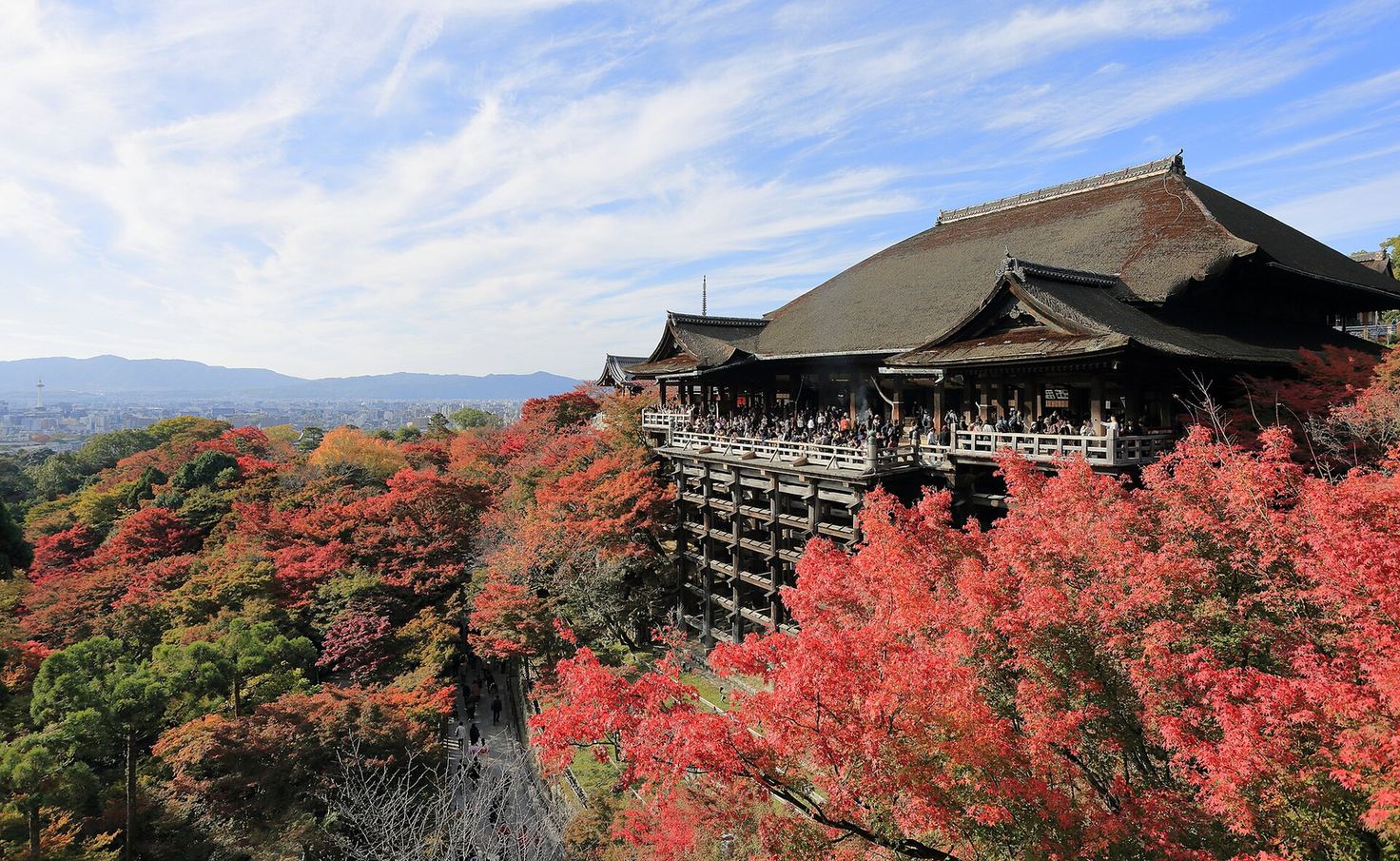
Kyoto is best known for cherry blossom and maple scenery, but peak timing shifts each year and cannot be fixed, and popular areas such as Higashiyama and Arashiyama can be very busy at peak. For a calmer feel, place famous temples early and alternate them with areas such as the Nanzen-ji side or central Kyoto. Summers are hot and humid, so split garden walking with indoor rests, and in cold, dry winters add warm breaks between temples. In the rainy season stone paths and hillside approaches can be slippery, so bring walkable shoes and keep indoor alternatives.
Kyoto mixes city buses, subway, private rail and walking by area, and the key is not chaining Higashiyama, Kinkaku-ji and Ryoan-ji in the northwest, Arashiyama in the west, Fushimi in the south, and Nijo-jo Castle and Nishiki Market in the centre into one day. First-time visitors should walk one area deeply, leave slack between temples, and avoid stacking walking and transfers given busy popular bus routes. Do not assume routes, tickets or fares; check official transport guidance before leaving.
The cultural axis is split between Kiyomizu-dera and preserved lanes in Higashiyama, traditional lanes in Gion, Zen temples and gardens in the northwest, Tenryu-ji and the bamboo grove in Arashiyama, and the approach paths of Fushimi Inari. Shrines and temples are places of worship and practice, so follow on-site guidance on etiquette, photography limits and garden routes first, and walk quietly through living lanes such as Gion with residents in mind. One or two temples per area, seen deeply, stay in memory better than many seen quickly.
Food centres on Nishiki Market in central Kyoto, teahouses and dining lanes in Higashiyama and Gion, and meals and snacks by the river in Arashiyama. Fit Kyoto food such as tofu dishes, shojin cuisine and matcha sweets into one meal inside that day's temple area, and at the market check ordering and payment shop by shop. On days split across temple areas, finish meals within each area to keep travel and waiting simple.
The main cautions are crowds at popular temples and preserved lanes, visiting rules and special openings at shrines and temples, and weather on stone and hillside paths. In rain, cut long Fushimi Inari approach walks and garden time and switch to central market and indoor places; in heat, split shadeless approach walking with rests. Entry and stay matters are not asserted here and should be checked directly in official guidance, and operations and events should be rechecked with temple and Kyoto city guidance before visiting. Verified: 2026-10-21
For a longer stay, build a rhythm around areas with daily convenience in central Kyoto, quieter residential areas with everyday shops closer than in Higashiyama, or neighbourhoods near universities and markets where daily shopping and transport are easy. Judge station, market, everyday shops and a quiet night route alongside tourist-lane atmosphere, and check rentals and administration directly in official guidance as they can depend on residency status.
Kyoto served as Japan capital for more than a thousand years. On its grid of old streets remain temples, shrines, gardens and machiya lanes. Kiyomizu-dera, Kinkaku-ji and Ryoan-ji are representative parts of the Historic Monuments of Ancient Kyoto, while quiet residential life continues behind famous sights.
Read Kyoto by area: eastern Higashiyama, northwestern Arashiyama, the central city and Fushimi each differ in temple character and street scenery. One area deeply per day suits Kyoto. The Kamo River is also an everyday resting place for Kyoto residents.
The key is area mood rather than single temples: ornate eastern temples, deep garden and practice in the northwest, commercial centre, and sake culture in Fushimi move at different speeds. Alternate one area per day and include river rest between sightseeing.
Entry, customs and stay rules can vary by nationality and timing, so this guide does not state them. Check MOFA overseas safety information and official Japanese guidance before departure. Temple and shrine days, special openings and reservations also differ by site.
In popular seasons major temples, lanes and buses can be crowded. Gardens and temples are quiet places, so respect voice, photography and etiquette rules. Choose lodging by bus links to your main areas and the night return route, not only Kyoto Station access.
Kiyomizu-dera is known for its stage and Higashiyama streets, and Kinkaku-ji, the Golden Pavilion, is a Zen temple. Arashiyama Bamboo Grove and Togetsukyo Bridge represent western Kyoto where river and mountains overlap. Popular places have busy periods, so early use and official notices help.
Fushimi Inari Taisha is known for continuing torii gates and becomes quieter higher on the mountain. Ryoan-ji rock garden, Nanzen-ji and the Philosopher's Path suit quiet walking. Nijo-jo Castle shows Tokugawa power space unlike temples.
Choose by architecture, garden or street scenery. Compare rock and moss gardens if gardens are the purpose, or preserved lanes if streets are. Reduce temple count per day and leave time sitting in a garden.
Kyoto buses are dense but popular routes can be crowded; subway and private rail help between areas. Ticket types, fares and route changes can change, so check official guidance. Between temples expect slopes, stone paths and slippery wet ground.
There are several ways in from Kansai airports and Osaka, and this guide does not assert travel times. Check booking channels and official transport before departure. Bicycles need parking and pedestrian safety, and taxis can be slow at busy times.
Nishiki Market gathers Kyoto ingredients, with pickles, tofu and snacks to look over. Yudofu and shojin cuisine connect with temple culture, and matcha sweets are widely known. Popular restaurants differ in reservations and closing days, so check official and booking channels.
Tea ceremony, garden guiding and kimono rental differ in contents and rules by operator. In kimono, consider stairs and long walking and check return terms. Prepare ingredient wording for allergies or religious dietary needs, and follow tasting and photography rules at markets.
Kyoto food joins quiet temple-linked cuisine and tofu with market energy. Place a refined meal and market snacks on the same day to compare two tables, choose one or two matcha cafes slowly, and confirm reservations for popular restaurants.
This itinerary is an example; hours and travel times are not asserted.
Note
These examples do not assert opening hours or travel times. Day one groups Kiyomizu-dera, Sannenzaka, Gion and the Kamo River in Higashiyama. Day two groups Kinkaku-ji, Ryoan-ji and the Kitano side in the northwest.
Note
Day three gives Arashiyama, the bamboo grove and Tenryu-ji one area day. Day four combines Fushimi Inari, Nijo-jo Castle and Nishiki Market by interest. Special temple openings and garden events are limited, so confirm official links and avoid too many temples per day.
Kyoto costs vary with cherry or maple season, lodging place and style, temple count and experiences such as tea ceremony. This guide does not fix amounts or exchange rates; budget by lodging, transport, food, entry and experiences, plus reserve. In popular seasons lodging choice can narrow early.
Several temples add up in entry and moving costs. Rank must-see places first and choose similar gardens by taste. Transport passes suit different patterns, so compare official terms, and check payment and overseas card conditions with your financial provider.
Season moves Kyoto budgets most. Once dates are set, check lodging first. Small temple entries accumulate, so ranking helps adjustment. Compare transport products by area and number of rides in official terms.
Spring cherry blossom and autumn foliage are famous, but timing varies each year, so do not fix dates from this guide. Check JNTO and official Japanese weather before departure. Summer is hot and humid, needing rest and water for midday temple walking, and rainy season garden plans should stay flexible.
Winter can feel quieter but cold with short-feeling days, so move outdoor plans earlier. Snowy temple scenery is special but stone paths and steps can slip. Limited special openings and night illuminations vary by year.
Seasonal scenery is strongest with temple gardens, but bloom and colour speed differ by place and year. Rainy moss gardens have another mood with slip care. In summer heat place museums and cafe rest between outdoor sights.
The common mistake is packing in as many famous temples as possible in a day. Kyoto stays with you when area and count are reduced. In Gion and traditional streets respect residents and business privacy, and put cameras away where photography is prohibited.
Not checking bus crowding or temple changes is also common. Recheck official guidance the day before and prepare alternatives. Check entry, stay and safety through MOFA and JNTO, and disaster information through official Japanese channels.
Let neighbourhood scenery from bus and walking be part of the trip. Alternate areas, place garden or cafe rest between temples, and confirm the last return transport in official guidance before night gets late.
Grouped by place type.
기요미즈데라
Nearby in the same area
Before you visit: Crowding, special openings and evening events can change by period. Check temple and Kyoto city guidance and observe manners.
Kyoto City Official Guide official guide킨카쿠지 (금각사)
Nearby in the same area
Before you visit: Viewing routes, garden use and special openings can change. Check temple and Kyoto city official guidance first.
Kyoto City Official Guide official guide난젠지
Nearby in the same area
Before you visit: Guidance differs by building and garden. Check temple and Kyoto city official guidance before visiting.
Kyoto City Official Guide official guide아라시야마
Nearby in the same area
Before you visit: Riverside and grove change with weather and crowding. Check Kyoto city guidance and weather information first.
Kyoto City Official Guide official guide후시미이나리타이샤
Nearby in the same area
Before you visit: Mountain shrine paths need comfortable shoes and weather preparation. Follow shrine manners and check shrine and city guidance.
Kyoto City Official Guide official guide료안지
Nearby in the same area
Before you visit: Quiet viewing is basic garden manner and routes can change. Check temple and Kyoto city official guidance first.
Kyoto City Official Guide official guide니조성
Nearby in the same area
Before you visit: Building viewing, booking and closures can change by period. Always check Nijo-jo and Kyoto city official guidance.
Kyoto City Official Guide official guide기온
Nearby in the same area
Before you visit: Do not stop or photograph residents or workers without permission, or enter private lanes. Check Kyoto city visitor manners.
Kyoto City Official Guide official guide니시키 시장
Nearby in the same area
Before you visit: Follow on-site guidance, such as eating at the shop you bought from. Trading differs by shop, so refer to Kyoto city guidance.
Kyoto City Official Guide official guide덴류지
Nearby in the same area
Before you visit: Garden and grounds guidance can differ by facility. Check temple and Kyoto city official guidance first.
Kyoto City Official Guide official guideExamples only; hours and travel times are not asserted.
Day
See Kiyomizu-dera and preserved lanes
Have lunch in Higashiyama
Walk Gion respectfully
Rest by the Kamo River and have dinner centrally
Rain alternative: In rain, shorten outdoor walking and switch to nearby markets, museums and indoor places.
Walking and travel load: Travel and walking can continue, so add rests and leave slack at transfers.
Day one: Higashiyama
Group Kiyomizu-dera and Gion
Have lunch and a cafe rest
Walk traditional lanes quietly
Day two: northwest
See Kinkaku-ji and Ryoan-ji
Have lunch between temples
Rest in a garden before returning
Day three: Arashiyama
See Tenryu-ji and Arashiyama
Have lunch in Arashiyama
Walk the bamboo grove and rest by the river
Rain alternative: On wet days, place indoor viewing and market sections first and keep outdoor parts short.
Walking and travel load: Walking stretches can grow, so set rest points in advance and do not rush.
Day one: Higashiyama
See Kiyomizu-dera and Nanzen-ji side
Have lunch and rest between temples
Day two: northwest temples
See Kinkaku-ji and Ryoan-ji
Have a garden rest and dinner centrally
Day three: Arashiyama
See Tenryu-ji and the bamboo grove
Have lunch and river rest in Arashiyama
Day four: central Kyoto
See Nijo-jo Castle
Have lunch at Nishiki Market shops
Rest at a cafe
Day five: Fushimi
Walk Fushimi Inari Taisha paths
Have lunch in Fushimi
Return for a quiet final evening
Rain alternative: If it rains, swap walking-heavy parts for indoor places and keep outdoor time brief.
Walking and travel load: Climbs and long walks may be mixed in, so group the route in one area and move slowly.
For highly changeable items, official confirmation comes first. Recheck official guidance before departure.
Verified against official guidance from Kyoto City Tourism Association kyoto.travel.
Checked: 2026-10-22
Kyoto City Tourism Association kyoto.travelVerified against official guidance from Japan National Tourism Organization JNTO.
Checked: 2026-10-22
Japan National Tourism Organization JNTOVerified against official guidance from Kyoto City official website.
Checked: 2026-10-22
Kyoto City official websiteVerified against official guidance from UNESCO World Heritage Centre.
Checked: 2026-10-22
UNESCO World Heritage CentreVerified against official guidance from Ministry of Foreign Affairs 0404.
Checked: 2026-10-22
Ministry of Foreign Affairs 0404Verified against official guidance from JNTO and official Japanese guidance via japan.travel.
Checked: 2026-10-22
JNTO and official Japanese guidance via japan.travelVerified: 2026-10-21. Prices, hours, closures, bookings and entry rules can change. Recheck official links before travel.