First-time visitor
See one area deeply around Jeju City and Dongmun Market area to keep your first map simple.
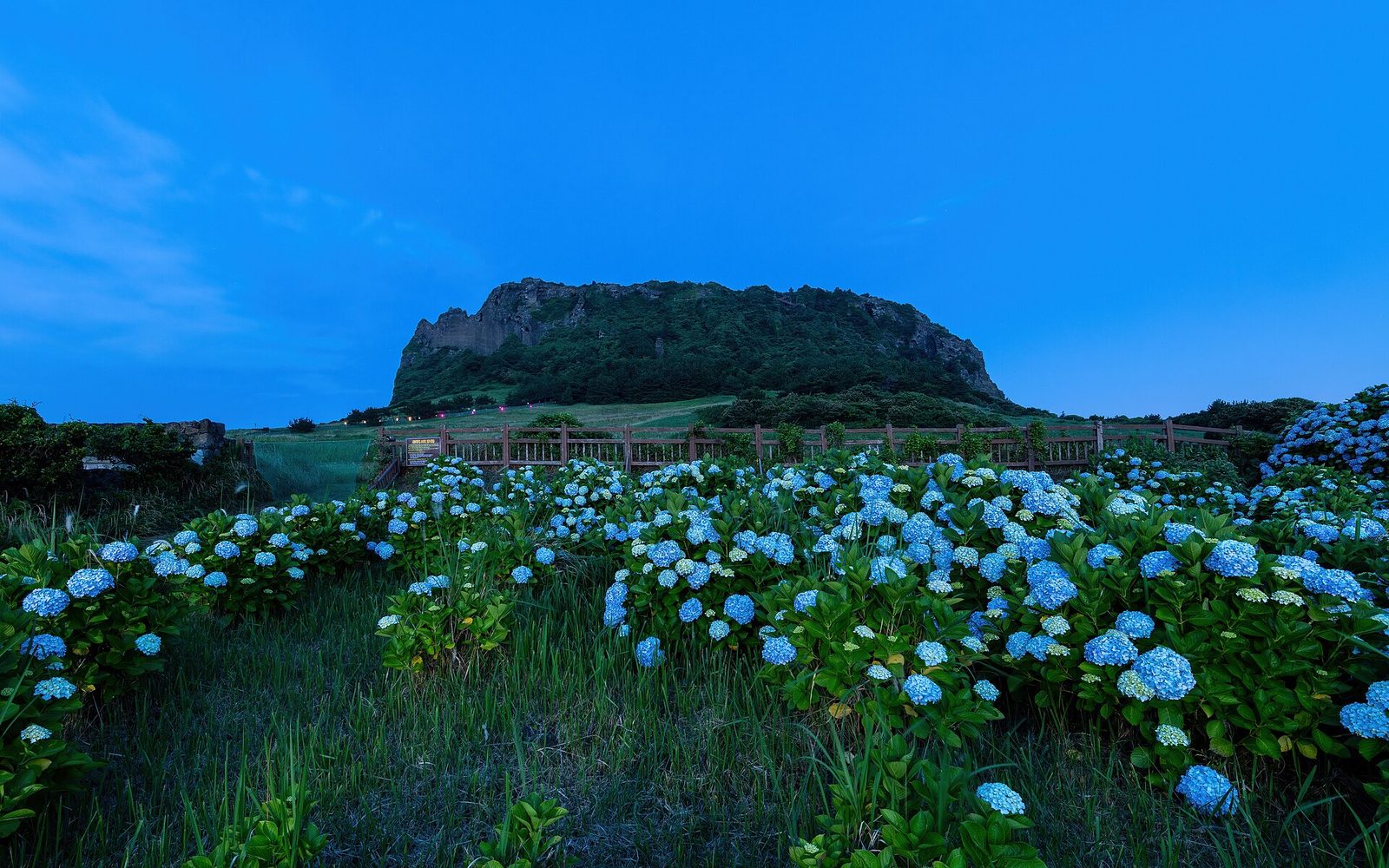
Jeju Island
JejuJeju
An island landscape of volcanic landforms, sea, oreum and stone walls
An island where volcanic landforms, coasts, oreum cones and markets unfold differently by area around Hallasan Mountain.
Strong wind, rain and controls on coasts and Hallasan can change on the day; check official notices and weather before setting out.
See one area deeply around Jeju City and Dongmun Market area to keep your first map simple.
Choose a different area from last time and start slowly around Seongsan and eastern area to find a new texture.
Add market and indoor rests between walks for the family, and keep the Jeju City and Dongmun Market area route short.
Keep climbs and long walks short, and fix meals and rests near lodging around Seongsan and eastern area first.
Pair an easy solo market meal with a quiet rest; start lightly around Jeju City and Dongmun Market area.
An island landscape of volcanic landforms, sea, oreum and stone walls
Spring and autumn are gentler for coastal walks, oreum cones and forest paths, while summer heat, humidity and sudden rain suit beach plans with shade and indoor alternatives attached. In winter, wind-exposed coasts and Hallasan can feel very different on the same day, so clothing judgement changes by area. Seasonal scenery such as blossom, foliage and sea conditions shifts each year; for a calmer feel, avoid the busiest periods at famous beaches and Seongsan and mix in forest paths and village walks. In heavy rain, strong wind or cold, reduce coastal access and mountain walking and switch to markets and museums.
Jeju is hard to link by walking alone, so mix walking and buses inside Jeju City and Seogwipo downtown and treat travel between areas as the centre of that day. Crossing between eastern Seongsan and western Hallim in one day can let travel take over, so splitting lodging by area or choosing one direction is steadier. Even by car, weigh weather on coastal and mountain roads and fix parking and the return route first. Bus, boat and vehicle conditions can change, so check official transport guidance and booking terms.
Jeju culture reads through village life against Hallasan and the sea, stone walls, haenyeo and market culture, and stories tied to volcanic landforms. Pairing World Natural Heritage landforms such as Seongsan Ilchulbong and Manjanggul Cave with Dongmun Market and Seogwipo old downtown shows how nature and daily life connect. Private land, pastures and haenyeo work spaces are places of life and livelihood, so keep to designated paths and guidance and view quietly. Forest paths and caves can be alternatives on wet or windy days, but check controls first.
Meals stay simple when split by area between Jeju City Dongmun Market, Seogwipo Maeil Olle Market and coastal village restaurants. For local food such as seafood, black pork and meat noodles, ask about the day's ingredients and cooking style, and at markets check contents and signs with your own eyes. Mixing one market meal and one village restaurant meal reads Jeju everyday taste more clearly than relying only on beach cafes. At busy markets, keep queue and payment order and state seafood allergies and ingredients you cannot eat clearly before ordering.
The biggest variables are wind and rain, waves, and controls on Hallasan and the coasts, and the wide island makes forced travel between areas tiring. In rain and strong wind, switch coast and oreum plans to forest paths, markets and museums; in heat, split beach walking short and add shade rests. On cold or icy days, do not force mountain travel and shrink the plan within your lodging area. Trail, boat and experience operations can change by notice on the day, so recheck official guidance. Verified: 2026-10-21
For a longer stay, first choose the rhythm you want among Jeju City market and daily convenience, quieter Seogwipo old downtown life, or coastal living in Seongsan and Hallim. Before tourist scenery, check daily shopping, clinics, laundry and walking paths near the lodging. Moving bases by area also shows how island weather and wind direction change everyday comfort. Check contract terms, house rules and vehicle use directly in the contract and official guidance, and consider peak and quieter season differences in daily crowding.
Jeju Island is an island where terrain made by volcanic activity spreads around Hallasan Mountain. Coasts made by lava, small volcanic cones called oreum, and fields and pastures divided by stone walls form the basic texture of Jeju scenery. Places such as Seongsan Ilchulbong and Manjanggul Cave are representative examples showing Jeju volcanic terrain known as UNESCO World Natural Heritage.
Jeju is long from east to west, and each area has a different expression. The north with Jeju City is the airport and downtown living area, the south with Seogwipo has waterfalls and coast, the east is Seongsan and Udo Island, and the west divides into Hallim and Hyeopjae Beach. Rather than an itinerary circling the whole island, setting the area where you stay and seeing nearby places deeply suits Jeju's pace.
The standard for dividing Jeju is not only east, west, south and north. Coastal villages and mid-mountain villages, areas with many oreum and areas with deep forest have different living rhythms even on the same island. If the purpose of travel is rest, consider scenery walkable from your lodging; if the purpose is collecting scenery, consider moving lodging by area. Either way, a design that reduces travel distance creates the greatest ease in Jeju.
Jeju is a large island, so the burden of moving between main places is great. Decide first whether to keep lodging in one place or divide it by area, and keep to only one direction per day as the basic rule. Changing information such as flights and boats, bus routes and rental car conditions is not fixed in this guide and must be checked through official links and booking channels. Verified: October 21, 2026.
Weather can feel different by area around Hallasan Mountain even on the same day. If coastal and mountain plans are placed on the same day, prepare an outer layer and a rainy-weather alternative. Popular lodging, vehicles and experience programmes can be crowded with bookings in peak season, so carefully check conditions and cancellation rules at the booking stage.
Seongsan Ilchulbong is a symbolic eastern place known for volcanic terrain rising over the sea and sunrise scenery, and Manjanggul Cave is known as a place showing the form of a lava tube. Hallasan Mountain is the centre of the island and shows different vegetation and scenery by season, but hiking is a plan for which weather and control status must always be checked.
Beaches such as Hyeopjae and Hamdeok differ in sea colour and mood by area, and Jeongbang Waterfall and Cheonjiyeon Waterfall represent the water scenery of the Seogwipo coast. Walking an oreum is a lighter way to feel Jeju terrain than a large hike, but some routes pass private land and pasture areas, so designated trails and guidance must be kept. Forest paths such as Bijarim Forest are also good alternatives on windy days.
When choosing places, set the centre of this trip among volcanic terrain, sea, forest and living culture. Once the centre is set, distant places you do not need to go to are naturally sorted out. Even known places such as Seongsan and Manjanggul give different impressions with weather and light, so seeing one place deeply is better. Beaches differ by area in sand, waves and surrounding village mood, and comparing two places has its own pleasure.
Travel by bus is possible, but considering intervals and transfers, the number of places you can see in a day decreases. Even when using a vehicle, avoid an itinerary crossing between east and west on the same day, and look together at the ease of coastal roads, parking and the return route to lodging. Bus routes and rental car eligibility, insurance and fare conditions can change, so they must be checked in official guidance and the contract.
Offshore islands such as Udo and Marado depend on boat operation governed by weather. On a day entering an island, reflect the possibility of change in the return sailing in the plan and avoid forced same-day connections. Hallasan and coastal walking paths can be controlled according to strong wind, ice and waves, so checking official notices before departure and on-site guidance is safest.
Traditional markets such as Dongmun Market and Seogwipo Maeil Olle Market are places to see Jeju ingredients and market food in one spot. Black pork, meat noodle soup, seafood and citrus processed goods are repeatedly mentioned as representatives, but season and catch and stall trading differ by timing. Check price and origin signs on site, and for a specific stall look at whether it is open before visiting.
Outdoor experiences such as citrus picking, exhibitions and experiences related to haenyeo women diver culture, horse riding and yachts differ in conditions by season, weather and operator. For experiences needing booking, check operation, safety equipment and cancellation conditions in official guidance before applying. It is important not to force outdoor experiences on days with strong wind and waves.
Jeju meals balance well when markets, village restaurants and beach cafes are mixed. Seafood composition changes with season and catch, so asking what ingredients are possible that day is natural. Citrus-related experiences can differ with harvest timing and farm operation, so check official guidance before booking. On a day using a car, it is safest not to put an experience involving drinking on the same day as driving.
This itinerary is an example; hours and travel times are not asserted.
Note
The itineraries below are examples and do not fix operating hours or travel times. The first day is a northern arrival arrangement grouping Jeju City, Dongmun Market and Hamdeok Beach. The second day can be set as an eastern volcanic terrain arrangement linking Seongsan Ilchulbong, Manjanggul Cave and Bijarim Forest.
Note
The third day can group Seogwipo, Jeongbang Waterfall, Cheonjiyeon Waterfall and Olle Market as a southern arrangement, and the fourth day can place Hyeopjae Beach, Hallim and one oreum as a western arrangement. On a day including Udo Island, keep that day's centre simply to Udo alone. Boats and facility operation differ with weather and notices, so check official links before fixing the plan.
Jeju travel costs vary greatly with island access transport such as flights and boats, whether a rental car is used, lodging area and grade, and paid experience choices. This guide fixes no amounts, so budget by dividing access transport, movement within the island, lodging, food, admission and experiences, and a reserve. Conditions can differ in peak season, on weekends and on holidays, so checking before booking is needed.
Using a vehicle increases flexibility but adds variables such as rental and insurance, fuel and parking. Centring on public transport makes the movement cost structure simpler, but time ease must be secured like a budget. Even beaches and oreum known as free can generate spending on parking, equipment and experiences, so check item by item.
What tends to take a large share of a Jeju budget is transport to the island and movement within it. The choice of flight or boat and the period of vehicle use change the whole structure, so set these two items first and place lodging and experiences next. Mixing free beach and oreum walks between paid experiences balances cost and energy. Recheck all conditions as of the booking point.
Jeju is known for seasonal scenery such as spring canola flowers and autumn silver grass, but flowering and peak timing differ every year and dates cannot be fixed. Summer is hot and humid and can be affected by monsoon and typhoons, so always keep in mind the possibility of change in flight, boat and beach plans. If seasonal scenery is the purpose, check official weather information and tourism notices before departure.
Winter Jeju has strong wind, and snowy scenery can appear on Hallasan Mountain. Coastal walks and oreum walking need wind protection and anti-slip preparation, and mountain roads can be controlled according to weather. Because this is an island of large weather change, it is good to build each day so it can be switched between coast and indoor places.
Jeju wind is a core variable in itinerary design. On windy days, forest paths, markets and museums suit better than coastal experiences, and on clear and calm days, see oreum and beaches at length. Weather can divide around Hallasan Mountain, so if you cross two areas on the same day, checking the forecast for each place is good. Preparing rain gear and spare clothes in a car or lodging makes route changes easier even in sudden weather change.
A common mistake is moving long distances every day out of a desire to circle the whole island. Jeju satisfaction is high when days are divided by area. At beaches, first check water safety such as waves and rip currents; at oreum and in forests, keep designated trails and do not enter private land or pastures without permission.
Boats, Hallasan and outdoor experiences can change with weather, yet tying them into a fixed plan without alternatives is another frequent mistake. Check official notices the day before and prepare indoor alternatives. If considering a month-long stay, prevention means checking living conditions by area, such as grocery shopping, medical care and vehicle need, rather than only tourist-site access.
Grouped by place type.
한라산
Nearby in the same area
Before you visit: Trail booking, controls and weather warnings change with season and weather. Always check Hallasan National Park official notices and weather information before setting out.
Hallasan National Park official guide성산일출봉
Nearby in the same area
Before you visit: Trail controls, sunrise crowding and sea weather guidance can change by period. Check Jeju official tourism guidance and on-site notices first.
Visit Jeju official guide만장굴
Nearby in the same area
Before you visit: Open cave sections, controls and safety guidance can change with site and conservation conditions. Check the latest notices through Manjanggul and Jeju official guidance.
Visit Jeju official guide비자림
Nearby in the same area
Before you visit: Forest paths can be slippery or muddy after rain, and leaving marked paths is restricted. Check Jeju official tourism guidance and on-site signs first.
Visit Jeju official guide협재 해수욕장
Nearby in the same area
Before you visit: Swimming, waves and beach facility guidance change with weather and period. Check Jeju official guidance, weather information and on-site safety signs first.
Visit Jeju official guide중문·색달 해수욕장
Nearby in the same area
Before you visit: Waves, swimming and beach facility guidance change with weather and period. Check Jeju and Seogwipo official guidance and on-site safety signs first.
Visit Jeju official guide대포 주상절리
Nearby in the same area
Before you visit: Coastal viewpoints can be hazardous in wind, waves and slippery conditions. Follow controls and safety guidance from Jeju and Seogwipo official notices and on-site signs.
Visit Jeju official guide우도
Nearby in the same area
Before you visit: Boat services change with wind and waves, and movement within the island follows local guidance. Check sailing notices through the operator and Jeju official guidance first.
Visit Jeju official guide제주 동문시장
Nearby in the same area
Before you visit: Trading, items and crowding differ by stall. Confirm contents and signs before ordering and refer to Jeju official tourism guidance.
Visit Jeju official guide천지연폭포
Nearby in the same area
Before you visit: Waterfall paths, evening guidance and post-weather safety notices can change. Check Seogwipo and Jeju official guidance and on-site signs first.
Visit Jeju official guideExamples only; hours and travel times are not asserted.
Day: Seongsan and Gujwa area
See Seongsan Ilchulbong landform
Have lunch around Seongsanpo
Visit Manjanggul Cave
Rest on Bijarim forest paths, then have dinner
Rain alternative: In rain, shorten outdoor parts of One day of eastern volcanic landforms and switch to indoor and market sections such as Dongmun Market and museums.
Walking and travel load: This plan can involve continued area travel and walking, so add rests and leave slack at transfers.
Day one: Jeju City area
Look around Jeju Dongmun Market
Have lunch at the market
Walk old downtown lanes
Rest at a cafe, then have dinner
Day two: Jungmun area
See Jusangjeolli Cliff coast
Have lunch in Jungmun
Rest at Jungmun Saekdal Beach
Finish resting at a beach cafe
Rain alternative: On wet days, keep walking-heavy parts of Northern arrival and southern coast short and place indoor and market sections such as Dongmun Market and museums first.
Walking and travel load: Walking stretches can grow, so split them into short sections and set rest points in advance.
Day one: eastern area
Visit Manjanggul Cave
Have lunch around Gimnyeong
Walk Bijarim Forest
Rest near the forest, then have dinner
Day two: Seongsan and Udo direction
See Seongsan Ilchulbong
Have lunch at Seongsanpo
Circle Udo coast slowly
Rest on the island, then have dinner
Day three: western beach
Walk Hyeopjae Beach
Have lunch in Hallim
Rest at a beach cafe
Finish with a light dinner
Rain alternative: On rainy days, do not force outdoor parts of East and west split; regroup around nearby indoor and market sections such as Dongmun Market and museums.
Walking and travel load: Area travel and walking can mix, so group the day into one area and move slowly.
Day one: Jeju City arrival
Browse Jeju Dongmun Market
Have a market-food lunch
Walk the old downtown
Have dinner and rest early
Day two: eastern volcanic area
See Seongsan Ilchulbong
Have lunch around Seongsan
Visit Manjanggul Cave
Rest in Bijarim Forest, then have dinner
Day three: Seogwipo old downtown
Walk to Cheonjiyeon Waterfall
Have lunch at Seogwipo Maeil Olle Market
Browse the market
Rest at a cafe, then have dinner
Day four: Jungmun coast
See Jusangjeolli Cliff
Have lunch in Jungmun
Rest at Jungmun Saekdal Beach
Finish with a coastal walk
Rain alternative: In rain, shorten outdoor parts of Adding southern waterfalls and markets and switch to indoor and market sections such as Dongmun Market and museums.
Walking and travel load: This plan can involve continued area travel and walking, so add rests and leave slack at transfers.
Day one: staying in Jeju City
Look around Jeju Dongmun Market
Have lunch at the market
Walk old downtown lanes
Have dinner and rest
Day two: eastern forest and cave
Walk Bijarim Forest
Have lunch around Gujwa
Visit Manjanggul Cave
Rest at a cafe, then have dinner
Day three: Seongsan and Udo
See Seongsan Ilchulbong
Have lunch at Seongsanpo
Circle the Udo coast
Rest at an island cafe, then have dinner
Day four: southern Seogwipo
Walk to Cheonjiyeon Waterfall
Have lunch at Seogwipo Maeil Olle Market
Browse market and old downtown
Have dinner and rest
Day five: Jungmun coast
Rest at Jungmun Saekdal Beach
Have lunch in Jungmun
See Jusangjeolli Cliff
Rest at a beach cafe and have dinner
Day six: western beach finish
Walk Hyeopjae Beach
Have lunch in Hallim
Rest at the beach
Finish with a light dinner
Rain alternative: On wet days, keep walking-heavy parts of Slow Jeju moving by area short and place indoor and market sections such as Dongmun Market and museums first.
Walking and travel load: Walking stretches can grow, so split them into short sections and set rest points in advance.
For highly changeable items, official confirmation comes first. Recheck official guidance before departure.
Verified against official guidance from Jeju Tourism Organization Visit Jeju.
Checked: 2026-10-22
Jeju Tourism Organization Visit JejuVerified against official guidance from Jeju Special Self-Governing Province.
Checked: 2026-10-22
Jeju Special Self-Governing ProvinceVerified against official guidance from UNESCO World Heritage Centre.
Checked: 2026-10-22
UNESCO World Heritage CentreVerified against official guidance from Hallasan National Park.
Checked: 2026-10-22
Hallasan National ParkVerified against official guidance from Ministry of Justice Hi Korea.
Checked: 2026-10-22
Ministry of Justice Hi KoreaVerified against official guidance from Korea Meteorological Administration.
Checked: 2026-10-22
Korea Meteorological AdministrationVerified: 2026-10-21. Prices, hours, closures, bookings and entry rules can change. Recheck official links before travel.