First-time visitor
See one area deeply around Hanok Village area to keep your first map simple.
Jeolla Region
JeonjuJeonju
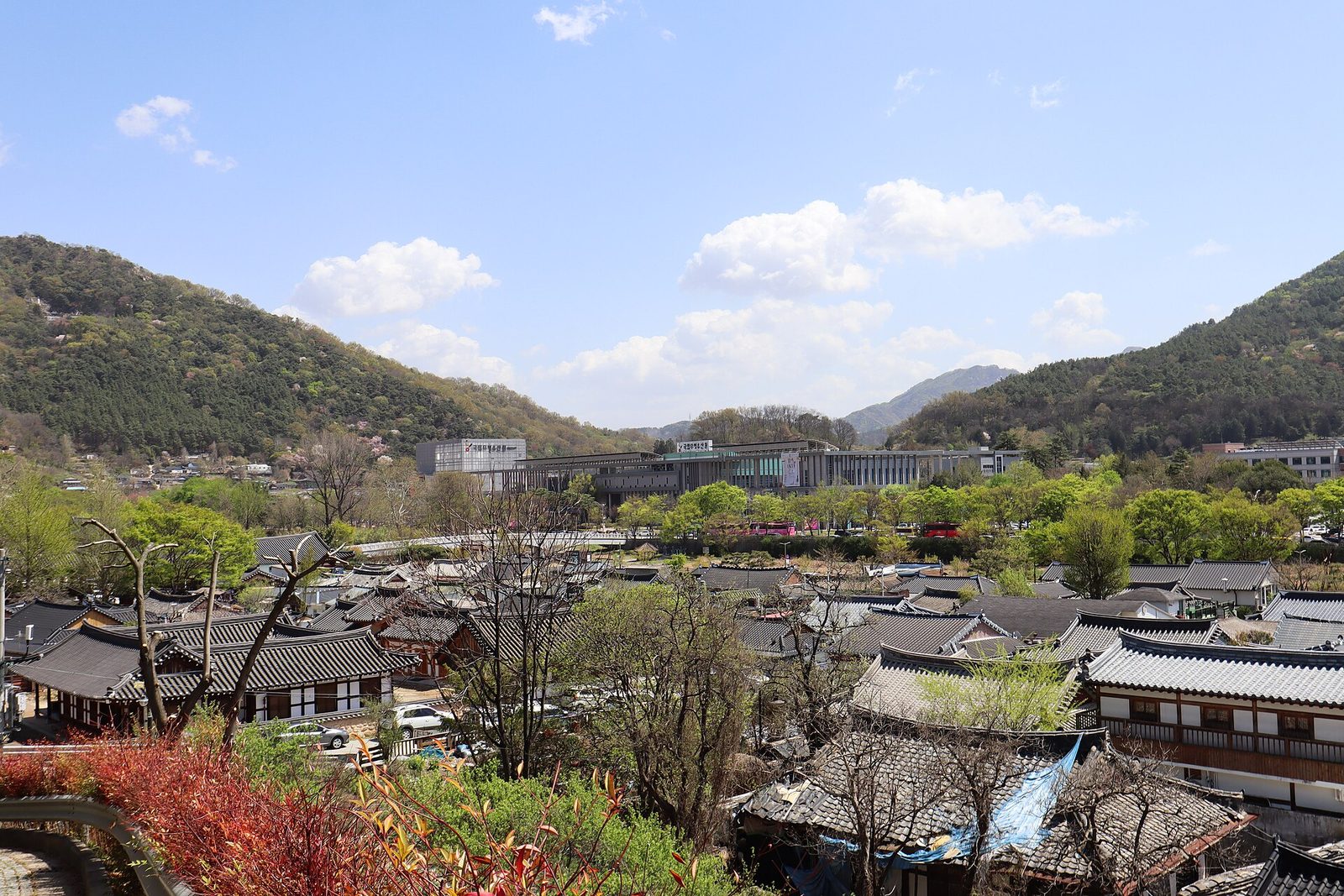
A traditional city of hanok village and food culture
Jeonju is known as the home of the Jeonju Yi clan, regarded as the origin place of the Joseon dynasty, and Gyeonggijeon Shrine enshrines the royal portrait of King Taejo of Joseon.
Crowds, weather and viewing rules can change on the day; check official guidance and on-site notices before you set out.
See one area deeply around Hanok Village area to keep your first map simple.
Choose a different area from last time and start slowly around Gaeksa and Jeonju downtown area to find a new texture.
Add market and indoor rests between walks for the family, and keep the Hanok Village area route short.
Keep climbs and long walks short, and fix meals and rests near lodging around Gaeksa and Jeonju downtown area first.
Pair an easy solo market meal with a quiet rest; start lightly around Hanok Village area.
A traditional city of hanok village and food culture
Spring and autumn are gentler for walking Hanok Village area, while summer heat, humidity and sudden rain suit plans that attach shade and indoor alternatives to outdoor sections. In winter, wind and cold can feel very different by area, so split outdoor time short and add warm indoor rests. Seasonal scenery shifts each year; for a calmer feel, avoid the busiest periods at the Hanok Village and Gyeonggijeon and mix quieter sections such as Jeonju Hyanggyo and Deokjin Park. In heavy rain, intense heat or cold, reduce outdoor walking and switch to indoor and market sections.
The core around Hanok Village area is best read on foot, while Deokjin Park, Jeonju National Museum and the Hanji Museum lie in other directions and should be kept as separate travel rather than chained into one walking day. Group one direction per day, keep transfers simple, and fix the return route to your lodging before adding distant places. Walking load grows on hills, alleys and spread-out remains, so split long sections and set rest points in advance. Routes, services and transport guidance can change, so check official transport guidance before departure.
Culture layers through Gyeonggijeon, hanok alleys, Jeonju Hyanggyo and Jeondong Cathedral, read best slowly by area rather than as a checklist of famous names. Pair outdoor heritage with a museum or market section so weather and crowds do not decide the whole day. At living, faith and residential spaces, keep noise low, respect private property and follow photography and entry guidance on site first. Do not touch heritage fabric, and let on-site notices override any general plan.
Meals stay simple when split by area among Nambu Market, Hanok Village food alleys and Samcheon-dong Makgeolli Alley, choosing one market or dining area as the anchor of each route. For bibimbap, soups and market food, ask about the day's ingredients, cooking style and heat, and at markets check contents and signs with your own eyes before ordering. In busy market areas, choose another place in the same area rather than rushing to one famous shop. State allergies and ingredients you cannot eat clearly before ordering, and keep queue and payment order.
The main cautions are Hanok Village crowds, residential alley manners and slippery hill paths, plus closing days and viewing rules that can change by notice. In rain, shorten outdoor sections and switch to indoor and market sections; in heat, split walking short and add shade rests often; in cold, reduce exposed outdoor time and attach warm indoor stops. Do not force distant areas into one day when weather turns. Recheck official guidance on the day for operations, controls and booking changes. Verified: 2026-10-21
For a longer stay, first choose the daily rhythm you want around Gaeksa and Deokjin living areas, rather than choosing only by famous scenery. Check whether markets, clinics, laundry, dining and a walkable route are close to the lodging, because those details shape everyday comfort more than one viewpoint. A base that keeps one area walkable makes rest days and rainy days easier. Check contract terms, noise, house rules and seasonal living conditions directly in the contract and official guidance before signing.
Jeonju is known as the home of the Jeonju Yi clan, regarded as the origin place of the Joseon dynasty, and Gyeonggijeon Shrine enshrines the royal portrait of King Taejo of Joseon. The hanok-dense Hanok Village and surrounding cathedral, hyanggyo local Confucian school and old library places gather within walking reach, so the texture of a traditional city can be read in a short route.
Jeonju is also a city known for food culture. Food stories such as bibimbap, bean sprout rice soup, makgeolli alleys and Korean set-menu dining are often placed at the centre of travel. The tourist area of the Hanok Village and the downtown where citizens live have different expressions, so seeing living spaces such as Nambu Market and the Gaeksa area together, rather than leaving after only the Hanok Village, makes the city three-dimensional.
Jeonju's pace resembles the pace of Hanok Village alleys. It suits travel that slowly crosses eaves and alleys, bookshops and workshops, rather than travel that quickly circles wide heritage sites. Moving only one block from the central tourist sites reveals residents' living space, so an attitude respecting the boundary between tourist sites and living space is needed. The shorter the stay, the more you should concentrate on the Hanok Village and one or two nearby places.
The central Jeonju travel route is simplest when planned around walking in the Hanok Village area. Gyeonggijeon, hanbok rental and experience programmes can change in operating days and booking methods, so check official links. Changing information such as fares and operating hours is not fixed in this guide. Verified: October 21, 2026.
On weekends and holidays, the Hanok Village can be crowded, and alley movement and meal waits can lengthen. Prepare several candidates for restaurants and experiences you especially want, and reflect the mood difference between earlier and later parts of the day in the plan. Hanok lodging differs by facility in structure and rules, so carefully checking booking conditions is good.
Gyeonggijeon Shrine is a space enshrining the royal portrait of King Taejo of Joseon and a starting point for reading Jeonju's historical identity. Jeondong Cathedral is modern religious architecture met at the entrance of the Hanok Village, standing beside Gyeonggijeon, which makes it good for comparing two landscapes of different eras. The Jeonju Hyanggyo local Confucian school, Hanbyeokdang Pavilion and Omokdae area are walking sections for feeling the Hanok Village terrain and old roads.
In the Hanok Village, the hanok alleys themselves become the purpose. Experience spaces for hanji paper craft, traditional liquor and calligraphy are scattered, so choosing one or two and doing them deeply is a good method. The youth mall in Nambu Market is a place showing market change in the form of young shops entering a traditional market, and a night market is sometimes operated at night, so check whether it is held in official guidance.
When choosing places, pair one place showing Jeonju's identity, such as Gyeonggijeon, with one place where you feel the temperature of life, such as a market. Continuing only historic spaces easily causes fatigue, and continuing only food blurs the city's background. The hyanggyo, old libraries and museums are places that fill the Hanok Village scenery with knowledge. If crafts interest you, taking one experience at length remains in memory more than skimming several experiences.
Jeonju travel commonly approaches by train and express bus, and within the city moves by mixing buses, walking and taxis. The Hanok Village area centres on walking, so parking a vehicle and walking is more comfortable. Changing information such as station and terminal connections, city bus routes and fares must be checked in official guidance.
Hanok Village alleys have gentle slopes overall, but stone paths and steps are mixed in, so comfortable shoes are good. On rainy days, enjoy the hanok eaves scenery but take care on slippery roads and mix indoor experiences and museums. Some sections may restrict vehicle passage on weekends, so when using a vehicle follow official notices and on-site signs.
Jeonju bibimbap is known as a representative Jeonju food in which various greens and garnishes are mixed in one bowl, and bean sprout rice soup is often mentioned for relieving a hangover and for breakfast. Each restaurant differs in ingredients and composition, and popular restaurants can have waits, so prepare alternatives within the route rather than insisting on one place. Checking prices and whether a place is open before visiting is good.
At markets such as Nambu Market and Moraenae Market, you can see local ingredients and market food. Hanji fans and traditional craft experiences and hanbok experiences differ in operator and booking method, so official guidance must be checked. For food culture eaten shared by several people, such as makgeolli alleys, checking composition and quantity before ordering can reduce food waste and unexpected spending.
In Jeonju, meals themselves become an axis of the itinerary. Separating a meal of a representative food, a meal lightly chosen at a market and a breakfast eaten while resting at lodging keeps the day from becoming monotonous. When several people travel together, a shared table such as a Korean set menu is a way to taste regional food widely. For menus with large quantities, however, order according to the number of people and how much you eat, and ask first whether leftover food can be packed.
This itinerary is an example; hours and travel times are not asserted.
Note
The itineraries below are examples and do not fix operating hours or travel times. The first day is a Hanok Village-centred arrangement grouping Gyeonggijeon, Jeondong Cathedral, Hanok Village alleys and Omokdae. The second day can be set as an old-road and market arrangement linking Jeonju Hyanggyo, Hanbyeokdang and Nambu Market.
Note
If you have room, the third day can be placed as a day seeing Jeonju outside the tourist area by grouping indoor facilities such as the National Intangible Heritage Center or Jeonju Museum with the Gaeksa downtown area. Build the itinerary around eating places, but check restaurant trading days and experience booking status through official links before fixing it. The Hanok Village has different moods in the morning and evening, so walking the same alleys again at a different time is also good.
Jeonju travel costs vary with whether you choose hanok lodging, meal level, hanbok and craft experience choices, and souvenir purchases. This guide fixes no amounts, so budget by dividing into lodging, transport, food, experiences and a reserve. Hanok lodging differs by facility in room form and included items, so do not only look at photographs; check conditions.
Rather than concentrating on one famous restaurant, mixing market food and neighbourhood restaurants lightens both spending and route. Experience programme material costs, rental conditions and refund rules can change, so check official guidance before applying. During weekends and festival periods, lodging conditions can differ, so looking at booking rules is good.
A Jeonju budget differs at hanok lodging and experiences. If hanok lodging is the purpose of the trip, give that item weight and lightly adjust other days' meals and shopping. Hanbok rental and craft experiences differ in conditions according to whether photography services and materials are included, so checking the included details before booking is good. On weekends, choices can narrow quickly, so look at lodging cancellation rules first.
Spring and autumn are counted as times suited to hanok alleys, the hyanggyo and Omokdae walking. Flowering and foliage timing differ every year, however, and specific dates cannot be fixed, so check official weather information and tourism notices before departure. Seasonal events in the Hanok Village and programmes such as bibimbap-related festivals also differ in schedule every year.
Summer is hot and humid, and mixing indoor experiences, meals and shade rest during the middle of the day is better. In winter, alley wind is cold, and at hanok lodging checking the heating method and indoor temperature differences before booking helps. Hanok eaves and stone paths on rainy days have atmosphere, but take care about slipping.
In the Hanok Village, alley light changes by season. Soft sunlight in spring and autumn is good for seeing hanok roofs and walls, and on rainy days the sound of water falling from eaves changes the alley mood. In summer, set intervals to rest in sections with little shade, and in winter carry an outer layer considering the temperature difference between inside and outside that is characteristic of hanok. Event schedules differ every year, so official notice checks are needed.
A common mistake is seeing only the Hanok Village briefly and thinking Jeonju is finished. Mixing in even one market, hyanggyo or downtown museum reveals the city's sense of life. Hanok alleys are spaces used together by residents and lodging guests, so avoid late-night noise and unauthorised entry and keep photography manners.
Not checking popular restaurant trading days and experience bookings and crowding into weekends is another frequent mistake. Check official guidance the day before visiting and prepare alternatives. Detailed rules such as hanbok rental and experience return conditions and lodging check-in methods are safest when checked against the official guidance of the business and facility.
In Jeonju, slowing the walking pace itself raises the quality of the itinerary. Stop briefly in an alley to look at rooflines, and at a market taste one thing and then decide the next road. The shorter the stay, the more an arrangement that remembers one area for long remains, rather than the desire to see every alley. Check the last return transport in official guidance and move with room to spare.
Grouped by place type.
전주한옥마을
Nearby in the same area
Before you visit: Weekend crowding, experiences and lodging guidance can change by period. Keep noise low in quiet lanes and check Jeonju Hanok Village official guidance.
Jeonju Hanok Village official guide경기전
Nearby in the same area
Before you visit: Visiting rules, exhibitions and guide guidance can change. Check closing days and notices through Gyeonggijeon and Jeonju City official guidance first.
Visit Jeonju official guide전동성당
Nearby in the same area
Before you visit: Masses and religious events are held here, so entry and photography guidance can vary. Check Jeondong Cathedral and Jeonju City official guidance first.
Visit Jeonju official guide오목대
Nearby in the same area
Before you visit: Hill paths and steps can be slippery after rain, and viewpoint guidance varies on site. Check Jeonju City official guidance and on-site signs first.
Visit Jeonju official guide전주향교
Nearby in the same area
Before you visit: Rites and education events are held here, so accessible areas and visiting rules can vary. Check Jeonju Hyanggyo and Jeonju City official guidance first.
Korea Heritage Service official guide남부시장
Nearby in the same area
Before you visit: Trading by stall and any night-market holding can vary. Check notices through Jeonju City and market official guidance first.
Visit Jeonju official guide덕진공원
Nearby in the same area
Before you visit: Park events, facilities and pond-side safety guidance can change with season and weather. Check Jeonju City official guidance and on-site signs first.
Visit Jeonju official guide전주한지박물관
Nearby in the same area
Before you visit: Closures, exhibitions and experience programmes can change. Check visiting notices in Jeonju Hanji Museum official guidance first.
Jeonju Hanji Museum official guide국립전주박물관
Nearby in the same area
Before you visit: Closures, special exhibitions and education programmes can change. Check exhibition and visiting notices in Jeonju National Museum official guidance first.
Jeonju National Museum official guide삼천동 막걸리골목
Nearby in the same area
Before you visit: Trading, table contents and ordering differ by shop. For plans involving alcohol, arrange return transport first and confirm contents and portions with the shop before ordering.
Visit Jeonju official guideExamples only; hours and travel times are not asserted.
Day: Hanok Village area
Visit Gyeonggijeon Shrine
Have lunch in the Hanok Village
Walk Jeondong Cathedral and lanes
Rest at a teahouse, then have a light dinner
Rain alternative: In rain, shorten outdoor parts of One day centred on the Hanok Village and switch to indoor and market sections around Nambu Market.
Walking and travel load: This plan can involve continued area travel and walking, so add rests and leave slack at transfers.
Day one: Hanok Village
Walk Jeonju Hanok Village lanes
Have lunch at a lane restaurant
Visit Gyeonggijeon Shrine
Rest at Omokdae, then have dinner
Day two: old paths and market
See Jeonju Hyanggyo quietly
Have lunch at Nambu Market
Browse market lanes
Finish resting at a cafe
Rain alternative: On wet days, keep walking-heavy parts of Adding the market and hyanggyo short and place indoor and market sections around Nambu Market first.
Walking and travel load: Walking stretches can grow, so split them into short sections and set rest points in advance.
Day one: Gyeonggijeon area
See Gyeonggijeon and Jeondong Cathedral
Have lunch in the Hanok Village
Walk hanok lanes slowly
Rest at a teahouse, then have dinner
Day two: market and food
Look around Nambu Market
Have lunch at the market
Look into a hanji craft experience
Rest at a cafe, then have dinner in Samcheon-dong Makgeolli Alley
Day three: museum and park
See Jeonju National Museum exhibitions
Have lunch near the museum
Walk Deokjin Park pond
Finish resting at a cafe
Rain alternative: On rainy days, do not force outdoor parts of Slowly to museums and Deokjin; regroup around nearby indoor and market sections around Nambu Market.
Walking and travel load: Area travel and walking can mix, so group the day into one area and move slowly.
For highly changeable items, official confirmation comes first. Recheck official guidance before departure.
Verified against official guidance from Jeonju City tourism portal.
Checked: 2026-10-22
Jeonju City tourism portalVerified against official guidance from Jeonju Hanok Village.
Checked: 2026-10-22
Jeonju Hanok VillageVerified against official guidance from Korea Heritage Service heritage portal.
Checked: 2026-10-22
Korea Heritage Service heritage portalVerified against official guidance from Korea Tourism Organization VISITKOREA.
Checked: 2026-10-22
Korea Tourism Organization VISITKOREAVerified against official guidance from Ministry of Justice Hi Korea.
Checked: 2026-10-22
Ministry of Justice Hi KoreaVerified against official guidance from Jeonju City.
Checked: 2026-10-22
Jeonju CityVerified: 2026-10-21. Prices, hours, closures, bookings and entry rules can change. Recheck official links before travel.