First-time visitor
See one area deeply around Jongno and Gwanghwamun historic area to keep your first map simple.
Seoul and Capital Area
SeoulSeoul
Palaces, the Hangang and old alleys in one capital
The capital of South Korea, where palaces, the Hangang, old lanes and museums overlap in one city.
Popular palaces and lanes can be crowded; check closures and visiting rules in official guidance on the day.
See one area deeply around Jongno and Gwanghwamun historic area to keep your first map simple.
Choose a different area from last time and start slowly around Myeongdong and Jung-gu to find a new texture.
Add market and indoor rests between walks for the family, and keep the Jongno and Gwanghwamun historic area route short.
Keep climbs and long walks short, and fix meals and rests near stations around Jongno and Gwanghwamun historic area first.
Pair an easy solo market meal with a quiet rest; start lightly around Myeongdong and Jung-gu.
Palaces, the Hangang and old alleys in one capital
Spring and autumn suit walking in the Jongno historic area, along the Hangang and on the city wall, while hot, humid summers pair better with museums and markets indoors, and cold, dry winters call for indoor breaks between palace visits. Peak blossom and foliage shift each year so their timing cannot be fixed; for a quieter feel, place famous palaces and Bukchon early in the day and alternate them with calmer areas. In heavy rain, heat or cold, shorten walking stretches and keep indoor places near stations as alternatives.
Seoul is a walking and public-transport city organised around subway and bus links between areas such as Jongno and Gwanghwamun, Myeongdong and Jung-gu, Yongsan, Yeouido and the Hangang, and Hongdae. First-time visitors keep routes simple by grouping nearby historic places such as Gyeongbokgung, Insadong and Bukchon rather than chaining distant areas in one day. Hills, the city wall and palace grounds can add walking load, so leave slack around transfers and check routes and fares in official transport guidance before leaving.
The cultural axis runs through Jongno palaces and Jongmyo Shrine, Bukchon Hanok Village and the craft and teahouse streets of Insadong, widened by the National Museum of Korea in Yongsan, Myeongdong Cathedral and Hangang parks. See one palace deeply and use the museum as an indoor anchor on wet or hot days to keep a first route steady. In living and faith spaces such as temples, churches and hanok lanes, follow on-site guidance on photography, noise and access first.
Food centres on traditional market areas such as Gwangjang Market, teahouses and Korean dining lanes in Insadong, and everyday restaurant streets in Myeongdong and Jongno. Choose one market area per route as that day's lunch anchor, and on palace days eat around Insadong and Jongno to cut extra travel. At markets, check what is included and how to pay before ordering, and if a famous stall has a long queue, switch to another place in the same area.
The main cautions are crowds in popular areas, closing days and visiting rules at palaces and museums, and weather on the city wall and open Hangang stretches. In rain, cut Bukchon lane and wall walking and switch to museum and covered market sections; in heat or cold, split long palace-courtyard walking with rests. Do not assume bookings, operations or controls; recheck official guidance on the day. Verified: 2026-10-21
For a longer stay, build a daily rhythm around liveable areas such as downtown Jongno and Jung-gu, Hangang-side Yongsan and Mapo, or neighbourhoods near markets and campus streets where daily shopping and transport are easy. Judge station, market, clinic and everyday shop access before tourist scenery, and verify contract terms and house rules directly in official guidance and the contract before signing.
Seoul is the capital of South Korea, set in a basin beside the Hangang River and surrounded by mountains. After it became the Joseon capital, palaces, Jongmyo Shrine and the city wall formed the frame of the city, and the modern city layered over that frame. Old stone walls, tall buildings, traditional markets and shopping spaces therefore appear within short distances of one another.
To understand Seoul for the first time, it helps to divide the northern historic axis, the Hangang River and the living districts that differ by neighbourhood. The old centre running from Gyeongbokgung Palace through Bukchon to Insadong, the open parks along the river, and living neighbourhoods where universities and markets thrive each show a different face. Choosing by area rather than trying to see every district at once reads the city's character better, and where you stay greatly changes the rhythm of a day.
Viewed by area, even movement changes within the same city. The historic downtown carries a high share of walking, the Hangang area suits cycling and strolling, and market and university districts concentrate eating and browsing. When first planning, mark the places you want on a map and group nearby ones by colour. That small task alone visibly reduces needless transfers and backtracking routes.
Seoul has a dense public transport network, so planning around the subway and buses is relatively easy. Routes, fares and transport card policy can change, however, so check official transport guidance before departure. This guide does not fix information that can change, such as fares, operating hours, closing days and booking methods; check the latest details through official links. Verified: October 21, 2026.
Palaces and museums differ in closing days and visiting rules, and some programmes require advance booking. Events and night programmes held only on certain dates can change by notice, so make a habit of rechecking the official homepage of a place you want just before visiting. Neighbourhood names often overlap subway station names, which makes them useful reference points for finding your way.
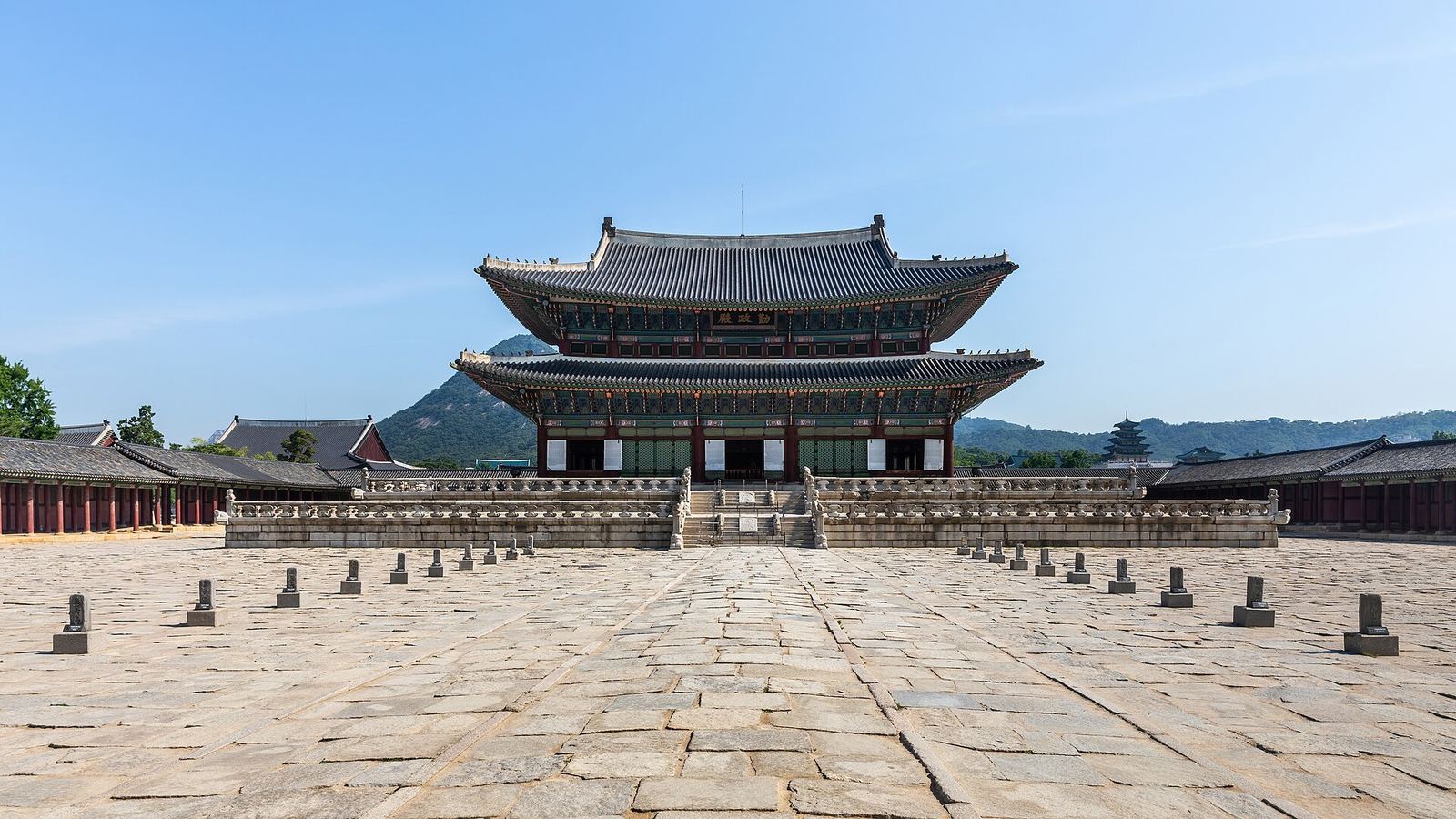
The Gyeongbokgung Palace and Gwanghwamun area let you see Joseon palace architecture together with modern plaza space, and are counted as a starting point for understanding Seoul's historic axis. Grouping a nearby facility such as the National Folk Museum of Korea lets you place royal culture and the history of everyday life side by side. Seeing one large palace slowly remains in memory more than hurrying through several palaces.
Bukchon and Seochon are hanok neighbourhoods where people actually live, and must be walked quietly with that respect. Changdeokgung Palace and Jongmyo Shrine are known as UNESCO World Heritage sites, and some areas may require booking, so official guidance must be checked. Hangang parks are citizens' resting spaces good for enjoying river views, and the National Museum of Korea is a base for scanning the flow of Korean history in one place.
When choosing places, use your own interests rather than fame as the standard. If royal culture interests you, centre palaces and museums; if city life interests you, centre markets and neighbourhood alleys; if views interest you, centre the city wall and the Hangang River. Even the same Gyeongbokgung Palace gives a different impression on a day with commentary and on a day of walking slowly without photographs. Leaving empty time in the plan lets chance exhibitions and street scenery widen the memory of the trip.
The subway is the basic axis linking areas, and buses connect neighbourhoods and markets a little away from stations. Transfer-heavy itineraries drain energy, so group each day into one or two areas and walk within an area. Means of travel between airports and downtown and late-night movement can change, so check official guidance. Timetables and fares cannot be fixed here, so confirm them through official channels at the booking stage.
Seoul has more hills and steps than expected. Bukchon, the city wall paths and the Namsan area have slopes and need comfortable shoes, and on rainy or snowy days it is good to leave room to switch the plan toward indoor places. When widening the range to the capital area, expand in only one direction per day so that movement itself does not become the purpose, and plan the last movement back to your lodging together with the day.
Gwangjang Market is a traditional market known for market foods such as mung bean pancakes, gimbap and noodles, and Tongin Market is known for its lunchbox experience. Each stall differs in trading days and hours, and waits can form at crowded times, so leave room to look around the whole market rather than aiming only at a specific stall. Checking hygiene and price signs on site and through official guidance is safest.
Food culture built up differs by neighbourhood, as in the old restaurant streets of Jongno and Euljiro. Experiences that need booking, such as temple food, royal cuisine, traditional liquor and kimchi programmes, can change in operation, so check official links before applying. If you are not used to spicy and fermented foods, share small amounts and watch your condition, and state allergy ingredients clearly before ordering.
When choosing eating places, it helps to give each meal one theme. Separating a light meal of market food, a meal of a signature menu at an old restaurant and a meal linked to an experience tidies both spending and route. Popular places can have waits, so leave room to move meal times a little earlier or later, and on days when you feel unwell, flexibility to switch to less stimulating food is needed.
This itinerary is an example; hours and travel times are not asserted.
Note
The itineraries below are examples and do not fix operating hours or travel times. The first day is a history-centred grouping of Gyeongbokgung Palace, Gwanghwamun, the National Folk Museum of Korea and Insadong into one area. The second day can be set as an eastern history and performance-neighbourhood grouping linking Changdeokgung Palace, Jongmyo Shrine, Bukchon Hanok Village and Daehangno.
Note
The third day can group the National Museum of Korea, the Yongsan area and a Hangang park as a museum and riverside arrangement, and the fourth day can place Gwangjang Market, Dongdaemun and Cheonggyecheon as a market and downtown walking arrangement. On rainy days, move museums and exhibitions forward, and on clear days place outdoor places such as the city wall paths and the Hangang River. Check each facility's closing days and booking needs through official links before fixing the plan.
Seoul travel costs vary greatly with lodging area and grade, meal style, choices of paid exhibitions and performances, and shopping. This guide fixes no specific amounts, so divide your budget into lodging, transport, food, admission and experiences, and a reserve, and set the range of change in each item yourself. Even with the same itinerary, lodging position changes transport cost and travel fatigue together.
Palace and museum fees and discount conditions can change with policy, and even facilities known as free can charge separately for special exhibitions, so official guidance must be checked. To save, do not crowd paid plans into one day; mix market food and everyday restaurants, and group walkable areas around walking. Securing a performance or experience you most want first and adjusting the rest is a good method.
When making a budget, set a daily ceiling and mix paid and unpaid plans within it. Separating activities with low cost burden, such as palaces, parks and market browsing, from activities that should be secured first, such as performances, makes adjustment easy. For shopping, setting a standard amount for the day you meet something you like is better than pushing it all to the last day. All amounts differ by timing, so confirm finally on booking screens and official guidance.
Seoul has relatively distinct four seasons. Spring is known as a time suited to flowers and outdoor walking, and autumn is good for palace and city wall walks with foliage and clear skies. Peak times for flowers and foliage differ every year, however, so do not fix a specific date; check official weather information and tourism notices before departure.
Summer is hot and humid, and monsoon and concentrated heavy rain can occur, so mixing indoor plans and rest is better. Winter is cold and dry, and when snow falls, city wall paths and hill roads can be slippery, so shoes prepared for cold and slipping are needed. Programmes such as seasonal festivals and night openings differ in schedule every year, so check whether they are held and how to book through official links.
Clothing differences by season also affect the plan. In spring and autumn, as walking increases, a light outer layer and comfortable shoes matter, and in summer securing indoor rest intervals first is better. In winter, daylight feels short, so placing outdoor heritage in the earlier part of the day suits the plan. Looking at weather warnings and official tourism notices together, not only a weather app forecast, makes decisions to change the plan easier.
A common mistake on a first visit is putting too many areas into one day. Places may look close on a map, but transfers and walking accumulate and energy is quickly drained. Keep to within two areas per day, and on the last day keep a light plan that makes it easy to move to an airport or station. Failing to check palace closing days and museum closing days and turning back at the door is also frequent, so look at official homepages again the day before visiting.
In hanok villages, respect residents' lives by reducing noise and keeping photography manners. At markets and restaurants, moving without checking whether they are open and the waiting situation can throw off timing, so prepare one alternative each. Checking basic information such as lost property and safety in crowded places through the Korea Tourism Organization and official guidance channels is also helpful.
Grouped by place type.
경복궁
Nearby in the same area
Before you visit: Closing days, visiting rules and guide guidance can change. Check palace and Seoul official tourism notices on the day.
Visit Seoul official guide창덕궁
Nearby in the same area
Before you visit: Some areas, including the rear garden, may use a separate visiting system. Check booking and visiting rules in Changdeokgung official guidance first.
Korea Heritage Service official guide북촌 한옥마을
Nearby in the same area
Before you visit: Residents live here, so walk quietly and respect private property and photography manners. Check resident guidance in Seoul official tourism information first.
Visit Seoul official guide인사동
Nearby in the same area
Before you visit: Shops and exhibitions vary, and lanes can be crowded. If a specific exhibition is your goal, check that venue and Seoul official guidance first.
Visit Seoul official guide명동성당
Nearby in the same area
Before you visit: Masses and religious events take place here, so keep quiet and follow photography and entry guidance. Check event information in Myeongdong Cathedral official guidance.
Visit Seoul official guide광장시장
Nearby in the same area
Before you visit: Trading and items differ by stall, and waits can form when crowded. Confirm contents and signs before ordering and refer to official market guidance.
Visit Seoul official guide국립중앙박물관
Nearby in the same area
Before you visit: Closures, special exhibitions and bookable programmes can change. Check exhibition and visiting notices in National Museum of Korea official guidance first.
National Museum of Korea official guide여의도 한강공원
Nearby in the same area
Before you visit: Events, facility use and riverside safety guidance can change with season and weather. Check Hangang park official guidance and weather information first.
Visit Seoul official guide한양도성 낙산 구간
Nearby in the same area
Before you visit: City wall paths have slopes and steps and can be slippery in poor weather. Check controlled sections and safety guidance in Hanyangdoseong official information and on-site signs.
Seoul City Wall official guide홍대 거리
Nearby in the same area
Before you visit: Performances, shop trading and street events can change by period. If a show is your goal, check that venue and Mapo-gu official guidance first.
Visit Seoul official guideExamples only; hours and travel times are not asserted.
Day: Jongno historic area
See Gyeongbokgung Palace slowly
Have lunch in Insadong
Walk Bukchon alleys quietly
Rest at a teahouse, then have a light dinner at Gwangjang Market
Rain alternative: In rain, shorten outdoor walking and switch to nearby markets, museums and indoor places.
Walking and travel load: Travel and walking can continue, so add rests and leave slack at transfers.
Day one: Gyeongbokgung area
See Gyeongbokgung Palace
Have lunch in Insadong
Walk Bukchon Hanok Village
Have dinner in Myeongdong and rest
Day two: museum and river
See National Museum of Korea exhibitions
Have lunch near the museum
Rest in Yeouido Hangang Park
Finish with a light dinner
Rain alternative: On wet days, place indoor viewing and market sections first and keep outdoor parts short.
Walking and travel load: Walking stretches can grow, so set rest points in advance and do not rush.
Day one: palace area
See Changdeokgung Palace
Walk Bukchon alleys
Have lunch in Insadong
Rest at a teahouse, then have dinner
Day two: market and wall
Look around Gwangjang Market
Have lunch at the market
Walk a short Naksan section of the city wall
Rest at a viewpoint, then have dinner
Day three: Myeongdong and river
See Myeongdong Cathedral grounds quietly
Have lunch in Myeongdong
Rest in Yeouido Hangang Park
Finish resting at a cafe
Rain alternative: If it rains, swap walking-heavy parts for indoor places and keep outdoor time brief.
Walking and travel load: Climbs and long walks may be mixed in, so group the route in one area and move slowly.
Day one: Gyeongbokgung and Insadong
See Gyeongbokgung Palace
Have lunch in Insadong
Browse craft shops
Have dinner and rest early
Day two: Changdeokgung and Bukchon
See Changdeokgung Palace
Walk Bukchon Hanok Village quietly
Have lunch nearby
Rest at a cafe, then have dinner
Day three: museum and market
See National Museum of Korea exhibitions
Move to Gwangjang Market after lunch
Browse the market and have a snack
Have dinner and rest
Day four: Hongdae streets
Walk Hongdae and Yeonnam-dong lanes
Have lunch at an alley restaurant
Browse independent shops
Finish resting at a cafe
Rain alternative: In rain, shorten outdoor walking and switch to nearby markets, museums and indoor places.
Walking and travel load: Travel and walking can continue, so add rests and leave slack at transfers.
For highly changeable items, official confirmation comes first. Recheck official guidance before departure.
Verified against official guidance from Seoul Tourism Organization Visit Seoul.
Checked: 2026-10-22
Seoul Tourism Organization Visit SeoulVerified against official guidance from Korea Tourism Organization VISITKOREA.
Checked: 2026-10-22
Korea Tourism Organization VISITKOREAVerified against official guidance from Korea Heritage Service heritage portal.
Checked: 2026-10-22
Korea Heritage Service heritage portalVerified against official guidance from Seoul Metro.
Checked: 2026-10-22
Seoul MetroVerified against official guidance from Ministry of Justice Hi Korea.
Checked: 2026-10-22
Ministry of Justice Hi KoreaVerified against official guidance from Seoul Metropolitan Government.
Checked: 2026-10-22
Seoul Metropolitan GovernmentVerified: 2026-10-21. Prices, hours, closures, bookings and entry rules can change. Recheck official links before travel.