First-time visitor
See one area deeply around Phra Nakhon riverside historic area to keep your first map simple.
Thailand
Bangkok, ThailandBangkok
A tropical capital of palace, temples, river, markets and streets
Bangkok is the capital of Thailand, developed beside the Chao Phraya River.
Crowds, weather and viewing rules can change on the day; check official guidance and on-site notices before you set out.
See one area deeply around Phra Nakhon riverside historic area to keep your first map simple.
Choose a different area from last time and start slowly around Siam and Pathum Wan downtown area to find a new texture.
Add market and indoor rests between walks for the family, and keep the Phra Nakhon riverside historic area route short.
Keep climbs and long walks short, and fix meals and rests near lodging around Siam and Pathum Wan downtown area first.
Pair an easy solo market meal with a quiet rest; start lightly around Phra Nakhon riverside historic area.
A tropical capital of palace, temples, river, markets and streets
Bangkok has a tropical climate, so read its seasons as drier and rainier periods rather than four temperate seasons. In the less rainy period, walking the Phra Nakhon riverside historic area is easier; in the rainier period, attach shade and indoor alternatives against sudden rain and humid heat. Cold snaps and winter cold do not apply; check heat, sun and rain news year-round. For a calmer feel, avoid the busiest periods at the Grand Palace, Wat Phra Kaew and Wat Pho and mix in indoor sections such as the National Museum. On heavy-rain or very hot days, shorten outdoor walking and switch to indoor and market sections.
The core around Phra Nakhon riverside historic area is best read on foot, while Chatuchak market and downtown rail areas lie in other directions and should be kept as separate travel rather than chained into one walking day. Group one direction per day, keep transfers simple, and fix the return route to your lodging before adding distant places. Walking load grows on hills, alleys and spread-out remains, so split long sections and set rest points in advance. Routes, services and transport guidance can change, so check official transport guidance before departure.
Culture layers through the Grand Palace, Wat Pho and Wat Arun, the National Museum and Chinatown, read best slowly by area rather than as a checklist of famous names. Pair outdoor heritage with a museum or market section so weather and crowds do not decide the whole day. At living, faith and residential spaces, keep noise low, respect private property and follow photography and entry guidance on site first. Do not touch heritage fabric, and let on-site notices override any general plan.
Meals stay simple when split by area among Chinatown Yaowarat and Chatuchak market areas, choosing one market or dining area as the anchor of each route. For Yaowarat street food, riverside and downtown meals, ask about the day's ingredients, cooking style and heat, and at markets check contents and signs with your own eyes before ordering. In busy market areas, choose another place in the same area rather than rushing to one famous shop. State allergies and ingredients you cannot eat clearly before ordering, and keep queue and payment order.
The main cautions are strong heat and humidity, sudden rain and temple dress rules, plus closing days and viewing rules that can change by notice. In rain, shorten outdoor sections and switch to indoor and market sections; in heat, split walking short and add shade rests often; in cold, reduce exposed outdoor time and attach warm indoor stops. Do not force distant areas into one day when weather turns. Recheck official guidance on the day for operations, controls and booking changes. Verified: 2026-10-21
For a longer stay, first choose the daily rhythm you want around Phra Nakhon riverside, Siam or Sukhumvit, rather than choosing only by famous scenery. Check whether markets, clinics, laundry, dining and a walkable route are close to the lodging, because those details shape everyday comfort more than one viewpoint. A base that keeps one area walkable makes rest days and rainy days easier. Check contract terms, noise, house rules and seasonal living conditions directly in the contract and official guidance before signing.
Bangkok is the capital of Thailand, developed beside the Chao Phraya River. The Grand Palace, Wat Pho and Wat Arun gather by the river, and old living neighbourhoods continue across the river and around canals. Tall buildings, large shopping spaces, markets and stalls overlap in the same city, so contrast between tradition and modernity characterises Bangkok scenery.
Bangkok travel reads well when divided into the riverside historic area, downtown areas such as Siam and Sukhumvit, and the northern area with Chatuchak Market. The city is wide and hot, so grouping one direction at a time is better than crossing every area in a day. Adding the river and water transport to a plan shows a Bangkok different from one seen only by car.
The key to reading Bangkok is the river. Royal spaces and old neighbourhoods formed along the river, and the modern downtown expanded along rail lines. Alternating these two axes reveals Bangkok's layers of time. By the river, temples and markets centre the day; downtown, shopping spaces and office streets centre it. Simply reducing crossings between river and downtown areas when planning greatly reduces travel fatigue.
Entry requirements, stay and customs rules can differ by nationality and period, so this guide does not fix them. Before departure, check the latest details through Korean MOFA overseas safety guidance and Thai official guidance. Palace and temple dress rules, photography limits and operating notices should also be checked through official links before visiting. Verified: October 21, 2026.
Bangkok's two planning axes are heat and traffic congestion. Split outdoor viewing into earlier and later parts of the day and place indoor time, meals and rest at midday. For lodging, centre on rail links to areas you want, but also look at the night return route and nearby conveniences together.
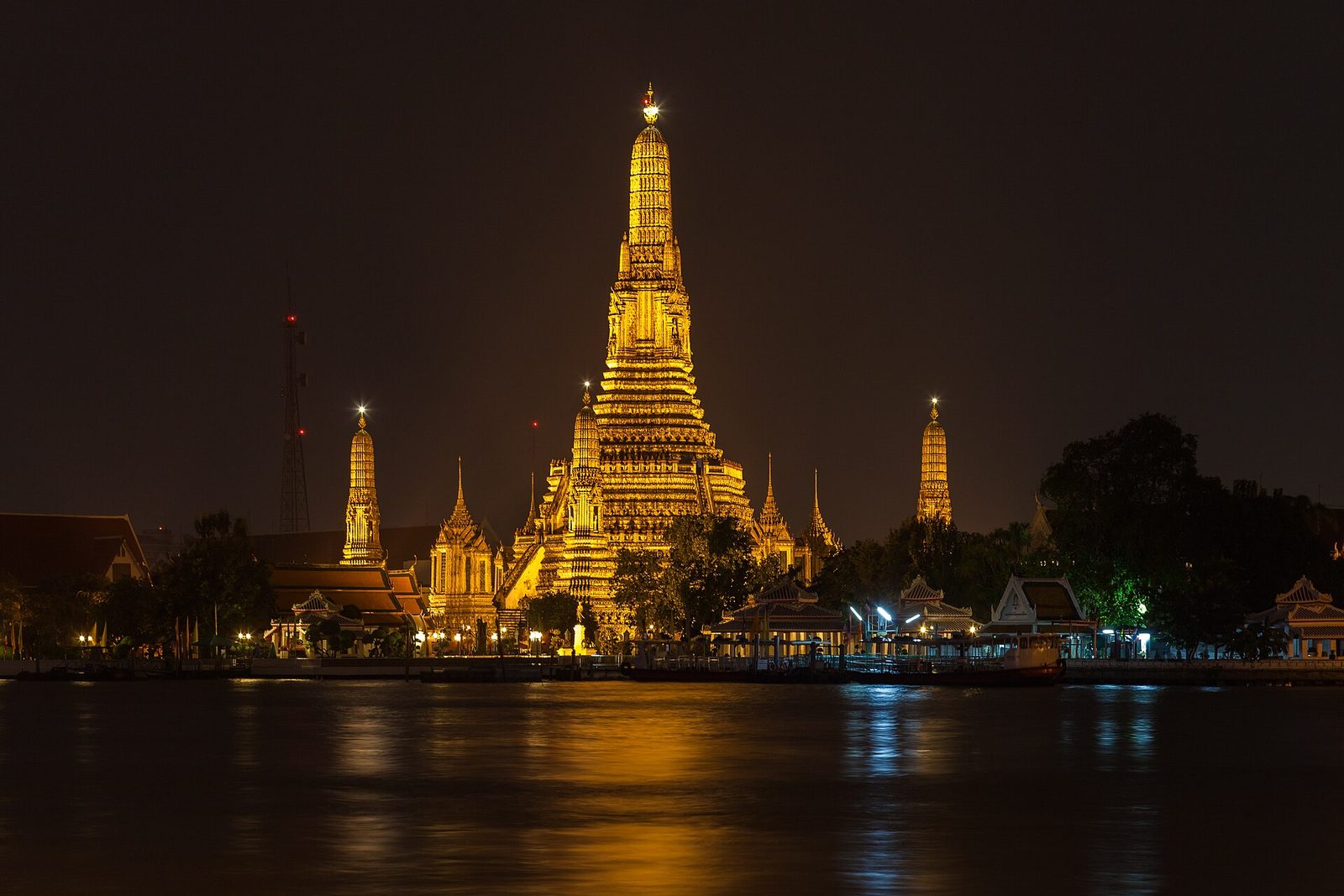
The Bangkok Grand Palace and Wat Phra Kaew are mentioned as spaces representing Thai royal and Buddhist culture, and Wat Pho is known for its large reclining Buddha and traditional massage education. Wat Arun across the river is known as a temple with a porcelain-decorated prang and is remembered with river scenery. In royal spaces, dress and etiquette rules are especially important, so follow official guidance.
Chatuchak Weekend Market is known as a large market where clothing, crafts and food can be browsed widely. Its operating days connect with weekends as the name suggests, so check official guidance before visiting. Yaowarat, known as Chinatown, is mentioned for street food, and canal boats are a way to see old riverside living scenery. Choose areas by whether your interest is temples or markets.
When choosing places, decide your centre among royal and religious spaces, markets and street life. On a first visit, see the palace area deeply once, but give other days to markets and neighbourhoods to experience daily city life together for balance. A temple across the river is most impressive when grouped with the river-crossing experience itself. Do not fix weekend-only markets to the end of a trip; check operation and keep them swappable with earlier candidates.
The Skytrain and metro are axes of downtown movement, and river and canal boats are ways to reach riverside areas. Routes, fares and operation can change, so check official guidance. Road traffic is often congested, making vehicle travel times hard to fix. Leave slack in plans and move early for important bookings.
For transport such as tuk-tuks, agree the fare and destination clearly before use. When crossing motorbike traffic and large roads, watch pedestrian signals and surrounding flow. In the wet season, sudden rain can flood some road sections, so prepare footwear and plan alternatives, and check weather and water-level notices for river transport.
Pad Thai, tom yum goong, som tam and mango sticky rice are widely known Thai food names. In Bangkok, stalls, food courts, old restaurants and market food offer a wide choice. In hot weather, when choosing street food, inspect the cooking environment and ingredient storage, and state spice level and allergy ingredients such as peanuts clearly before ordering.
Thai traditional massage, cooking classes and Muay Thai viewing are mentioned experiences. Experiences and performances differ by operator in inclusions, safety guidance and cancellation terms, so check official guidance and booking channels. In markets, check price signs, and where bargaining is needed, finish briefly and with a smile. When temple visits and food experiences fall on the same day, prepare clothing in advance.
Bangkok food ranges widely from street stalls to old restaurants. At first, use widely known signature dishes as a reference, then widen to regional noodle dishes and desserts if they suit you. In hot weather, check ice and water hygiene and whether food is served right after cooking. In markets, planning routes that separate eating from buying prevents exhaustion in crowds. State spice adjustments before ordering.
This itinerary is an example; hours and travel times are not asserted.
Note
The itinerary below is an example and does not fix operating hours or travel times. Day one is a riverside historic grouping of the Grand Palace, Wat Pho and Wat Arun. Day two can be set as a food and street grouping linking Chinatown, markets and a riverside walk.
Note
Day three can group Chatuchak Market, after checking whether it operates, with downtown shopping, and day four can combine a canal boat, a museum and a massage experience as a relaxed arrangement. On very hot days, place temples early and move indoors at midday. Check facility operation and market days through official links before fixing plans.
Bangkok travel costs vary greatly with lodging area and grade, meal level, and spending on shopping, massage and performances. This guide fixes no amounts or exchange rates, so budget by lodging, transport, meals, admission and experiences, shopping, and a reserve. Downtown congestion becomes a time cost, so lodging position decides overall efficiency.
Mixing street food and markets makes meal spending easier to adjust, but do not overdo it considering hygiene and heat. Check vehicle travel and tour fares and inclusions before use, and look at price lists and extra-cost conditions first for massage and experiences. Look at payment methods and currency exchange based on official financial guidance and on-site signs.
A Bangkok budget is strongly affected by lodging area. Lodging near a rail station gives movement flexibility, while riverside lodging has a stronger scenery and rest character. Market and shopping-mall spending differ in character, so set ceilings by item. For massage and experiences, distinguishing what a price list includes from what is added on site reduces unexpected spending. Check cancellation terms for important bookings.
Bangkok has a tropical climate where the difference between the wet season and less wet periods shapes travel comfort more than seasons. In periods known as the wet season, short heavy rain and thunder can occur, so plan outdoor time flexibly and prepare an umbrella and shoes that can get wet. Weather for a specific period cannot be guaranteed, so check Thai official weather and tourism information.
Even in periods known as relatively dry, days are hot with strong sun. For temple viewing, carry water, a hat and a light outer layer, and a rhythm of indoor rest at midday is needed. Air conditions such as fine dust can differ by period, so check official information and adjust outdoor hours.
Bangkok rain can fall heavily at particular times rather than across a whole day. Plan outdoor time as a set with an indoor alternative that can continue in rain. In the wet season, some sections drain slowly, so reducing walking routes and switching to a rail-centred plan is good. On very hot days, after temple viewing, add an interval to cool down at a cafe or indoors rather than walking a market immediately. Check weather notices during travel too.
A common mistake is underestimating heat and congestion and crossing between riverside and downtown areas many times in a day. Divide areas and put midday rest into the plan. Around the palace, for approaches impersonating official guidance or shop diversions citing temple closures, checking directly with official facility guidance is the prevention.
Not preparing temple clothing or not checking market and vehicle fares are also frequent mistakes. Recheck official guidance the day before visiting and prepare alternatives. Build a habit of checking Thai entry, safety and disaster information through Korean MOFA overseas safety guidance and Thai official tourism channels.
In Bangkok, adjusting the day's start to the heat matters. A rhythm of outdoor viewing early in the morning, rest at midday and markets and the riverside after the sun lowers is easier on the body. Drink water often and do not order much unfamiliar food at once. On days with important bookings, leave lodging earlier considering traffic congestion.
Grouped by place type.
방콕 왕궁과 왓 프라깨우
Nearby in the same area
Before you visit: Palace access, dress, photography and event guidance can change with the royal schedule. Check official palace guidance and Thai official tourism notices before visiting.
The Grand Palace official guide왓 포
Nearby in the same area
Before you visit: Temple dress, photography and reclining Buddha hall guidance can change by on-site notice. Check on-site Wat Pho guidance and Thai official tourism notices before visiting.
Tourism Authority of Thailand official guide왓 아룬
Nearby in the same area
Before you visit: Temple dress, prang access and boat guidance can change with weather and on-site notices. Check on-site Wat Arun guidance and Thai official tourism notices before visiting.
Tourism Authority of Thailand official guide방콕 국립박물관
Nearby in the same area
Before you visit: Museum closures, exhibitions and group guidance can change by notice. Check official museum guidance and Thai official tourism notices before visiting.
Tourism Authority of Thailand official guide왓 사켓 황금산
Nearby in the same area
Before you visit: Hill steps, grounds events and viewpoint guidance can change with weather and temple schedule. Check on-site Wat Saket guidance and Thai official tourism notices before visiting.
Tourism Authority of Thailand official guide짜오프라야 강
Nearby in the same area
Before you visit: River transport services, piers and weather guidance can change by operator notice. Check Thai official tourism guidance and official operator notices before use.
Tourism Authority of Thailand official guide차이나타운 야오와랏
Nearby in the same area
Before you visit: Street food opening, road crowding and festival guidance can change by period. Check Thai official tourism guidance before visiting and confirm price and ingredients before ordering.
Tourism Authority of Thailand official guide짜뚜짝 주말 시장
Nearby in the same area
Before you visit: Market days, section opening and weather guidance can change by notice. Check official market guidance and Thai official tourism notices before visiting.
Tourism Authority of Thailand official guide짐 톰슨 하우스 박물관
Nearby in the same area
Before you visit: Museum viewing arrangements, closures and garden guidance can change by notice. Check official museum guidance and Thai official tourism notices before visiting.
Jim Thompson House Museum official guide왓 수탓과 자이언트 스윙
Nearby in the same area
Before you visit: Temple hall access, mural viewing and square event guidance can change with the temple schedule. Check on-site Wat Suthat guidance and Thai official tourism notices before visiting.
Tourism Authority of Thailand official guideExamples only; hours and travel times are not asserted.
Day one: Phra Nakhon riverside historic area
See the Grand Palace and Wat Phra Kaew
Have lunch near the river
See Wat Pho grounds slowly
Rest at a riverside cafe, then have dinner
Day two: across the river and old city area
See Chao Phraya River scenery
See Wat Arun grounds
Have lunch near Thonburi
Climb Wat Saket Golden Mount, rest, then have dinner
Day three: museum and Chinatown area
See Bangkok National Museum displays
Have lunch in the old city
See Wat Suthat and the Giant Swing
Have dinner in Yaowarat and rest
Rain alternative: In rain, shorten outdoor parts of First Bangkok with the palace area and river and switch to indoor and market sections around Chatuchak Weekend Market.
Walking and travel load: This plan can involve continued area travel and walking, so add rests and leave slack at transfers.
Day one: palace and Wat Pho area
See the Grand Palace and Wat Phra Kaew
Have lunch nearby
See the Wat Pho reclining Buddha
Rest by the river, then have dinner
Day two: Chao Phraya River and Wat Arun area
Walk the Chao Phraya waterfront
Have lunch near a pier
See Wat Arun grounds
Rest at a river cafe, then have dinner
Day three: Chatuchak Weekend Market area, operation to check
See Chatuchak Weekend Market by sections
Have lunch inside the market
Rest in shade with a snack
Have dinner near lodging
Day four: Pathum Wan downtown area
See the Jim Thompson House Museum
Have lunch downtown
Browse shopping streets
Rest at a cafe, then have dinner
Day five: old city temples and Yaowarat area
See Wat Suthat grounds
Have lunch in the old city
See Wat Saket Golden Mount views
Have Yaowarat street food for dinner and rest
Rain alternative: On wet days, keep walking-heavy parts of Bangkok split between markets and downtown short and place indoor and market sections around Chatuchak Weekend Market first.
Walking and travel load: Walking stretches can grow, so split them into short sections and set rest points in advance.
Day one: Phra Nakhon arrival area
See Bangkok National Museum displays
Have lunch by the river
Walk the Chao Phraya waterfront
Rest at a cafe, then have dinner
Day two: palace area
See the Grand Palace and Wat Phra Kaew
Have lunch nearby
See Wat Pho grounds
Have an early dinner and rest
Day three: Thonburi and old city area
See Wat Arun grounds
Have lunch in Thonburi
See Wat Suthat and the Giant Swing
Rest at an old city cafe, then have dinner
Day four: rest day and Yaowarat area
Walk near lodging after a late morning
Have a light lunch
Take a long rest at lodging and a cafe
Have dinner in Yaowarat
Day five: Chatuchak market area, operation to check
See Chatuchak Weekend Market sections of interest
Have lunch at the market
Rest in park shade with a snack
Have dinner near lodging
Day six: Pathum Wan downtown area
See the Jim Thompson House Museum
Have lunch downtown
Walk a canal path
Rest at a cafe, then have dinner
Day seven: Golden Mount and river finish
Climb Wat Saket Golden Mount
Have lunch in the old city
Revisit the Chao Phraya River
Finish with a riverside dinner and rest
Rain alternative: On rainy days, do not force outdoor parts of A week slowly covering river, markets and downtown; regroup around nearby indoor and market sections around Chatuchak Weekend Market.
Walking and travel load: Area travel and walking can mix, so group the day into one area and move slowly.
For highly changeable items, official confirmation comes first. Recheck official guidance before departure.
Verified against official guidance from Tourism Authority of Thailand.
Checked: 2026-10-22
Tourism Authority of ThailandVerified against official guidance from The Grand Palace Bangkok.
Checked: 2026-10-22
The Grand Palace BangkokVerified against official guidance from Thai Immigration Bureau.
Checked: 2026-10-22
Thai Immigration BureauVerified against official guidance from BTS Skytrain.
Checked: 2026-10-22
BTS SkytrainVerified against official guidance from Mass Rapid Transit Authority of Thailand.
Checked: 2026-10-22
Mass Rapid Transit Authority of ThailandVerified against official guidance from Bangkok Metropolitan Administration.
Checked: 2026-10-22
Bangkok Metropolitan AdministrationVerified: 2026-10-21. Prices, hours, closures, bookings and entry rules can change. Recheck official links before travel.