First-time visitor
See one area deeply around My Khe Beach area to keep your first map simple.
Vietnam
Da Nang, VietnamDa Nang
Between river and sea, a central base for rest and nearby heritage towns
Da Nang is a port city in central Vietnam where the Han River flows into the sea.
Crowds, weather and viewing rules can change on the day; check official guidance and on-site notices before you set out.
See one area deeply around My Khe Beach area to keep your first map simple.
Choose a different area from last time and start slowly around Hai Chau Han River downtown area to find a new texture.
Add market and indoor rests between walks for the family, and keep the My Khe Beach area route short.
Keep climbs and long walks short, and fix meals and rests near lodging around Hai Chau Han River downtown area first.
Pair an easy solo market meal with a quiet rest; start lightly around My Khe Beach area.
Between river and sea, a central base for rest and nearby heritage towns
Da Nang has a tropical climate, so read its seasons as drier and rainier periods rather than four temperate seasons. In the less rainy period, walking the My Khe Beach area is easier; in the rainier period, attach shade and indoor alternatives against sudden rain, humid heat and sea conditions. Cold snaps and winter cold do not apply. For a calmer feel, avoid the busiest periods at My Khe Beach and the Marble Mountains and mix in indoor sections such as the Museum of Cham Sculpture.
The core around My Khe Beach area is best read on foot, while Son Tra Peninsula, the Marble Mountains, Ba Na Hills and Hoi An lie in other directions and should be kept as separate travel rather than chained into one walking day. Group one direction per day, keep transfers simple, and fix the return route to your lodging before adding distant places. Walking load grows on hills, alleys and spread-out remains, so split long sections and set rest points in advance. Routes, services and transport guidance can change, so check official transport guidance before departure.
Culture layers through Cham heritage, Han River downtown, Son Tra pagodas and Hoi An old town, read best slowly by area rather than as a checklist of famous names. Pair outdoor heritage with a museum or market section so weather and crowds do not decide the whole day. At living, faith and residential spaces, keep noise low, respect private property and follow photography and entry guidance on site first. Do not touch heritage fabric, and let on-site notices override any general plan.
Meals stay simple when split by area among Han Market, beach restaurants and Hoi An dining, choosing one market or dining area as the anchor of each route. For noodles, seafood and market food, ask about the day's ingredients, cooking style and heat, and at markets check contents and signs with your own eyes before ordering. In busy market areas, choose another place in the same area rather than rushing to one famous shop. State allergies and ingredients you cannot eat clearly before ordering, and keep queue and payment order.
The main cautions are strong sun and rain, sea conditions and busy downtown streets, plus closing days and viewing rules that can change by notice. In rain, shorten outdoor sections and switch to indoor and market sections; in heat, split walking short and add shade rests often; in cold, reduce exposed outdoor time and attach warm indoor stops. Do not force distant areas into one day when weather turns. Recheck official guidance on the day for operations, controls and booking changes. Verified: 2026-10-21
For a longer stay, first choose the daily rhythm you want around My Khe Beach or Hai Chau downtown, rather than choosing only by famous scenery. Check whether markets, clinics, laundry, dining and a walkable route are close to the lodging, because those details shape everyday comfort more than one viewpoint. A base that keeps one area walkable makes rest days and rainy days easier. Check contract terms, noise, house rules and seasonal living conditions directly in the contract and official guidance before signing.
Da Nang is a port city in central Vietnam where the Han River flows into the sea. A long beach, riverside bridges, markets and administrative functions gather in one city, making it good for seeing leisure and urban life together. With the old streets of nearby Hoi An and Cham-related heritage such as My Son close by, trips that use Da Nang as a base to combine the sea and history of central Vietnam are often arranged.
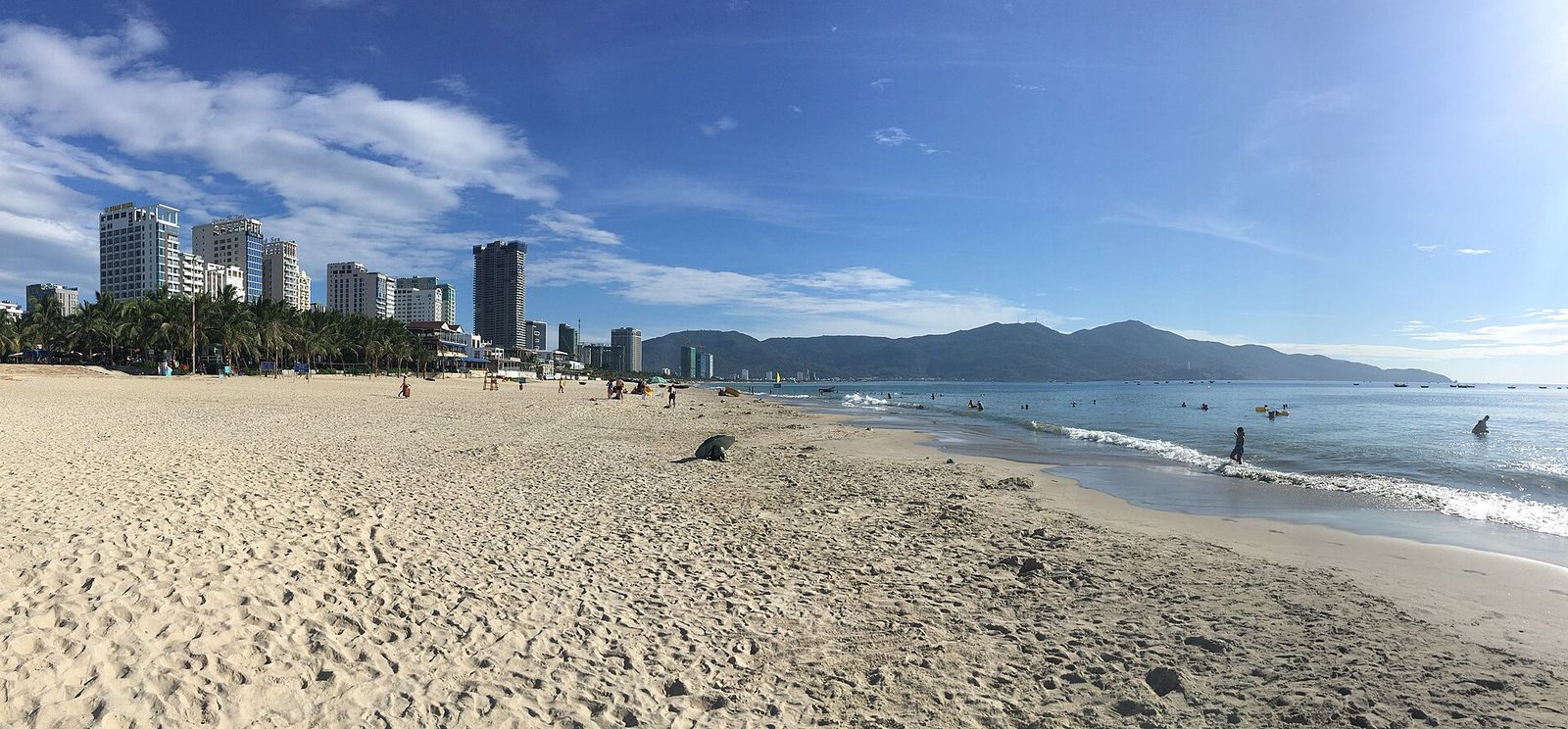
Da Nang divides into a beach side and a downtown side west of the Han River. The coast known for My Khe Beach suits rest-centred time, while downtown suits markets, museums and food alleys. Son Tra Peninsula, ringed by hills, and the Marble Mountains, called the five-element hills, are mentioned as nature and religious spaces close to the city.
A Da Nang day is structured well by starting at the beach and finishing by the river. Sea rest, downtown market browsing and a nearby heritage town visit each take different roles within one trip. A trip spent only inside a resort and a trip based in town feel very different, so when choosing lodging, first decide which Da Nang you want. Leaving one day without nearby-area ambitions raises the quality of rest.
Entry requirements, electronic visa arrangements and stay periods can differ by nationality and period, so this guide does not fix them. Before departure, check the latest details through Korean MOFA overseas safety guidance and Vietnam official guidance. Cancellation terms for flights, lodging and tours should also be checked at the booking stage. Verified: October 21, 2026.
In Da Nang, beach weather and wet-season effects decide whether a plan works. For water play, boats and other outdoor activities, check the day's weather and official notices and do not fix them too rigidly. For lodging, look not only at beach access but also at convenience for meals, markets and nearby-area departure points together.
My Khe Beach is a long beach close to downtown, mentioned for walks and rest, and the Han River bridges are known as a modern symbol of Da Nang that makes its night scenery. The Museum of Cham Sculpture gathers Cham cultural sculpture and helps understanding of the long history of central Vietnam. The Marble Mountains are limestone hills with caves and temples where viewpoints and religious spaces overlap.
Hoi An is a nearby city known for lantern-lit old streets and timber buildings and is often grouped with Da Nang plans. My Son heritage is known as a Cham religious site, and Ba Na Hills is a hilltop facility choice strongly affected by weather. Visit nearby areas one at a time and check operation and travel conditions through official guidance and booking channels.
When choosing places, first decide the ratio of rest to exploration. If beach rest is central, give generous time to the sea near your lodging and separate Hoi An and heritage sites into their own days. Keep weather-sensitive hilltop facilities as clear-day candidates. With children, choose routes with short travel and shade; for photography, choose areas by good light. Check official operating information before departure.
Travel between Da Nang city and beaches is often by vehicle, and nearby places such as Hoi An need a separate travel plan. Check taxis, ride services, rental cars and motorbike conditions through operators and official guidance, and make fares and inclusions clear before use. Travel-time information changes with traffic conditions, so this guide does not fix it.
This is a city with much motorbike traffic, so watch vehicle flow when crossing roads and avoid reckless jaywalking. In the wet season, flooded roads and strong winds can change plans, so leaving slack is good. For airport, lodging and nearby-area returns, plan so you can adjust to weather and traffic rather than fixing return timing rigidly.
Mi Quang is known as a noodle dish of the Quang Nam region including Da Nang, and banh xeo and seafood often appear on travel tables. Han Market and Con Market are downtown markets for looking around ingredients, souvenirs and market food. In markets, check prices and whether bargaining is needed, and for street food choose by cooking environment and ingredient condition.
Beach rest, massage, cooking experiences and nearby tours are often mentioned. Tours and experiences differ by operator in inclusions, safety guidance and cancellation terms, so check official guidance and booking channels. For seafood, checking the type, cooking method and pricing method before ordering reduces unexpected spending. State allergy ingredients clearly.
Da Nang eating satisfaction divides by how seafood and market food are split. Beach-area restaurants and downtown old establishments differ in menu and mood, so arrange each once. For street food, inspect hygiene with your own eyes and start with small amounts to check suitability. Cooking experiences can include a market visit and help understanding of ingredient culture, so check inclusions and structure before booking.
This itinerary is an example; hours and travel times are not asserted.
Note
The itinerary below is an example and does not fix operating hours or travel times. Day one is a downtown grouping of Han Market, the Museum of Cham Sculpture and a Han River walk. Day two can be set around My Khe Beach and Son Tra Peninsula viewpoints, centred on rest and seeing the sea.
Note
Day three can place Hoi An old town as a full-day area, and day four can choose one nearby place, the Marble Mountains or My Son heritage. If adding Ba Na Hills, keep it as a separate day chosen by weather. Check facility operation, tour terms and travel information such as boats and vehicles through official links and booking channels before fixing plans.
Da Nang travel costs vary with flight route and period, whether beach lodging is chosen, nearby tours and vehicle choices, and use of massage and experiences. This guide fixes no amounts or exchange rates, so budget by lodging, transport, meals, tours and experiences, and a reserve. In the wet season, weather changes can make cancellation and change terms affect costs.
Vehicle travel and tours vary in spending by group size and inclusions, so check the total, inclusions and conditions for extra costs before booking. When buying souvenirs and seafood in markets, first check price display and weight calculation. Look at payment methods and currency exchange based on official financial guidance and on-site conditions.
A Da Nang budget divides greatly by beach resort choice and the number of nearby tours. If much time is spent inside a resort, breakfast and facility inclusions affect the whole meal plan. Tours differ by group size, vehicle type and whether meals and admission are included, so compare by total. Currency exchange and card payment differ in available methods and fee conditions, so checking official financial guidance and payment screens is a needed habit.
Central Vietnam's dry and wet season tendencies decide the comfort of beach plans. In periods known as the wet season, rain can be frequent and waves high, limiting water play and boat plans, so check vietnam.travel and Vietnam official weather information before departure and during travel. This guide does not guarantee weather for a specific month.
In hot periods, reduce midday outdoor plans and mix markets, museums and rest. At the beach, prepare shade, water and sun protection and have indoor alternatives for sudden showers. Hilltop facilities and viewpoint places change greatly with cloud and rain, so flexibility to adjust dates by weather is needed.
Da Nang weather decides the quality of beach plans. On rainy days, bring indoor plans such as markets, museums, massage and cafes forward. On wavy days, the beach can be enough for a walk and view, but official safety signs must be followed. During travel, check local weather notices often, and for boat and island plans recheck operation on the day. For heat, carry water, a hat and a light outer layer.
A common mistake is fixing water play and nearby tours tightly without checking beach weather. In wet-season and wave conditions, simply reordering plans can change satisfaction, so prepare alternatives. Vehicles and tours can cause on-site confusion if fares and inclusions are not checked, so keep booking details in writing.
Buying in markets without checking prices or crossing roads without watching motorbike flow are also frequent mistakes. Check Vietnam entry and safety information through Korean MOFA overseas safety guidance and tourism information through vietnam.travel. At the beach, following official signs and local safety staff instructions is the basis of prevention.
Grouped by place type.
미케 해변
Nearby in the same area
Before you visit: Swimming conditions, waves and safety signs can change with the weather. Check Da Nang official tourism guidance, local weather notices and on-site beach guidance before visiting.
Da Nang Tourism official guide오행산 (마블 마운틴)
Nearby in the same area
Before you visit: Steps, cave paths, dress and photography guidance can differ by place. Check on-site Marble Mountains guidance and Da Nang official tourism notices before visiting.
Da Nang Tourism official guide한강과 용다리
Nearby in the same area
Before you visit: Bridge events, lighting and waterfront controls can change by period and notice. Check Da Nang city and official tourism notices for the day before visiting.
Da Nang Tourism official guide손트라 반도
Nearby in the same area
Before you visit: Access to peninsula roads and viewpoints and wildlife protection guidance can differ by section. Check Da Nang official tourism guidance and on-site protection signs before visiting.
Da Nang Tourism official guide린응 사원 (손트라)
Nearby in the same area
Before you visit: Pagoda dress, photography and event-related grounds guidance can change by visit period. Check on-site pagoda guidance and Da Nang official tourism notices before visiting.
Da Nang Tourism official guide참 조각 박물관
Nearby in the same area
Before you visit: Museum opening, exhibitions and closure guidance can change by notice. Check official museum guidance and Da Nang official tourism notices before visiting.
Museum of Cham Sculpture official guide한시장
Nearby in the same area
Before you visit: Market opening and individual shop trading and hygiene guidance can change on site. Check Da Nang official tourism guidance before visiting and confirm price and payment before buying.
Da Nang Tourism official guide다낭 대성당
Nearby in the same area
Before you visit: Cathedral Mass, grounds access and photography guidance can change with the religious schedule. Check on-site cathedral guidance and Da Nang official tourism notices before visiting.
Da Nang Tourism official guide바나힐
Nearby in the same area
Before you visit: Cable car and facility operation and weather-related changes can follow operator notices. Check official operator guidance and Da Nang official tourism notices for the day before visiting.
Da Nang Tourism official guide호이안 옛거리 (별도 근교 권역)
Nearby in the same area
Before you visit: Old-town entry arrangements, facility operation and festival or crowding guidance can change by period. Check Hoi An and Vietnam official tourism notices before visiting.
Vietnam Tourism official guideExamples only; hours and travel times are not asserted.
Day one: Hai Chau downtown area
See Museum of Cham Sculpture displays
Have lunch near Han Market
See Da Nang Cathedral exterior quietly
Walk the Han River waterfront, have dinner and rest
Day two: My Khe Beach and Son Tra area
Walk My Khe Beach
Have lunch near the beach
Rest at lodging
See Son Tra Peninsula and Linh Ung Pagoda slowly, then have dinner
Day three: Marble Mountains and river finish
See Marble Mountains temples and views
Have lunch near Ngu Hanh Son
Rest at a cafe
See Han River and Dragon Bridge scenery and have dinner
Rain alternative: In rain, shorten outdoor parts of First Da Nang split between beach and downtown and switch to indoor and market sections around Han Market.
Walking and travel load: This plan can involve continued area travel and walking, so add rests and leave slack at transfers.
Day one: Han River downtown arrival
Look around Han Market
Have lunch downtown
See Museum of Cham Sculpture displays
Rest at a riverside cafe, then have dinner
Day two: beach rest
Walk My Khe Beach slowly
Have lunch near the beach
Take a long rest at lodging
Have dinner on a coastal street
Day three: Hoi An separate nearby area
Walk Hoi An old town lanes
Have lunch in Hoi An
Rest by the Thu Bon River waterfront
See old town evening scenery and have dinner
Day four: Son Tra and Linh Ung Pagoda
See Son Tra Peninsula viewpoint roads
Have lunch near the beach
See Linh Ung Pagoda grounds quietly
Rest at a cafe, then have dinner
Day five: Marble Mountains and downtown finish
See Marble Mountains caves and temples
Have lunch nearby
Have a light snack and browse at Han Market
Finish with a Han River walk, dinner and rest
Rain alternative: On wet days, keep walking-heavy parts of Da Nang with a separate Hoi An day short and place indoor and market sections around Han Market first.
Walking and travel load: Walking stretches can grow, so split them into short sections and set rest points in advance.
Day one: Hai Chau downtown area
See Han Market and the Museum of Cham Sculpture
Have lunch downtown
See Da Nang Cathedral exterior
Have dinner by the Han River and rest
Day two: My Khe Beach centre
Walk My Khe Beach
Have lunch near the beach
Rest at lodging
Have dinner on a beach street
Day three: Hoi An separate nearby area
Walk Hoi An old town
Have lunch in Hoi An
Rest at a riverside cafe
See lantern scenery and have dinner
Day four: rest day and market
Revisit Han Market after a late morning
Have lunch at the market
Take a long rest at lodging
Have a light dinner
Day five: Son Tra Peninsula and Linh Ung Pagoda
See Son Tra Peninsula views
Have lunch near the beach
See Linh Ung Pagoda grounds
Rest at a cafe, then have dinner
Day six: Ba Na Hills separate area or Marble Mountains alternative
Check Ba Na Hills official guidance and see the hilltop area
Have lunch in the hill area
If weather is poor, switch to the Marble Mountains
Rest at lodging, then have dinner
Day seven: river and beach finish
Take a morning walk at My Khe Beach
Have brunch as lunch
Revisit the Han River and Dragon Bridge
Finish resting at a cafe with dinner
Rain alternative: On rainy days, do not force outdoor parts of A week choosing Ba Na Hills by weather; regroup around nearby indoor and market sections around Han Market.
Walking and travel load: Area travel and walking can mix, so group the day into one area and move slowly.
For highly changeable items, official confirmation comes first. Recheck official guidance before departure.
Verified against official guidance from Vietnam National Authority of Tourism vietnam.travel.
Checked: 2026-10-22
Vietnam National Authority of Tourism vietnam.travelVerified against official guidance from Da Nang Tourism Promotion Center.
Checked: 2026-10-22
Da Nang Tourism Promotion CenterVerified against official guidance from Vietnam Immigration Department.
Checked: 2026-10-22
Vietnam Immigration DepartmentVerified against official guidance from Museum of Cham Sculpture Da Nang.
Checked: 2026-10-22
Museum of Cham Sculpture Da NangVerified against official guidance from Da Nang People's Committee portal.
Checked: 2026-10-22
Da Nang People's Committee portalVerified against official guidance from National Centre for Hydro-Meteorological Forecasting.
Checked: 2026-10-22
National Centre for Hydro-Meteorological ForecastingVerified: 2026-10-21. Prices, hours, closures, bookings and entry rules can change. Recheck official links before travel.